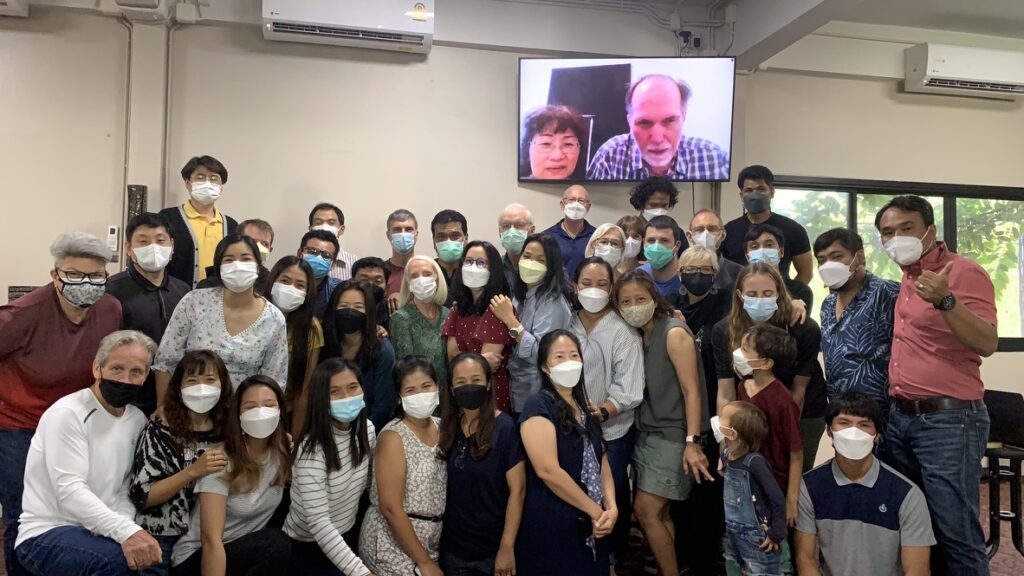
เราคือใคร

องค์กร Youth With A Mission Thailand เป็นส่วนหนึ่งของเครือข่ายองค์กร Youth With A Mission International

เยาวชนผู้มีภารกิจ

วายแวม อินเตอร์เนชั่นแนล

Youth With A Mission คือขบวนการระดับโลกของคริสเตียนจากหลากหลายวัฒนธรรม กลุ่มอายุ ประเพณี และภูมิหลัง ที่อุทิศตนเพื่อรับใช้พระเยซูไปทั่วโลก

หรือที่รู้จักกันในชื่อ YWAM (ออกเสียงว่า “วาย-แวม”) เราผนึกกำลังกันด้วยจุดประสงค์เดียวกันคือการรู้จักพระเจ้าและทำให้ผู้อื่นรู้จักพระองค์ เมื่อครั้งเริ่มต้นในปี 1960 จุดมุ่งหมายหลักของเราคือการช่วยให้เยาวชนมีส่วนร่วมในงานเผยแผ่ศาสนา

ปัจจุบัน เรายังคงให้ความสำคัญกับเยาวชน และเรายังรวมถึงผู้คนทุกช่วงวัยด้วย ขณะนี้เรามีเจ้าหน้าที่ (เรียกว่า “YWAMers”) หลายหมื่นคนจากเกือบทุกประเทศ รวมถึงประเทศต่างๆ เช่น อินโดนีเซีย เนปาล โมซัมบิก และโคลอมเบีย

ครอบครัวหนึ่ง

ของกระทรวงต่างๆ

เราดำเนินงานในกว่า 180 ประเทศทั่วโลก ผ่านสามด้านหลัก ได้แก่ การประกาศข่าวประเสริฐ การฝึกอบรม และพันธกิจแห่งความเมตตา

พันธกิจของเราครอบคลุมทุกด้านของสังคม รวมถึงการดูแลทางการแพทย์บนเรือ ทีมศิลปะการแสดง โปรแกรมฝึกอบรมพระคัมภีร์ การให้คำปรึกษาทางธุรกิจ พันธกิจด้านกีฬา งานต่อต้านการค้ามนุษย์ และอีกมากมาย

YWAM ดำเนินงานในฐานะ กลุ่มพันธกิจที่ เชื่อมโยงกัน ไม่ใช่หน่วยงานส่วนกลางที่มีอำนาจควบคุมเพียงแห่งเดียว

เยาวชนผู้มีภารกิจ

วายแวม ไทยแลนด์

องค์การยุวชนสตรีแห่งประเทศไทย (YWAM) เป็นส่วนหนึ่งของเครือข่ายพันธกิจระดับโลกของ YWAM แม้ว่าเราจะมีค่านิยมพื้นฐาน วัตถุประสงค์ และความเชื่อเดียวกัน แต่เราก็มีพันธกิจและวิสัยทัศน์ที่เป็นเอกลักษณ์ ซึ่งเราเชื่อว่าพระเจ้าทรงเรียกเราให้มาถ่ายทอดที่นี่ในประเทศไทย

ภารกิจ

องค์ YWAM ประเทศไทย มุ่งมั่นที่จะแสดงออกถึงอาณาจักรของพระเจ้าผ่านการฝึกอบรม การประกาศข่าวประเสริฐ และพันธกิจแห่งความเมตตา โดยร่วมมือกับคริสตจักรท้องถิ่นและองค์กรอื่นๆ

วิสัยทัศน์

ดำเนินชีวิตตามพระสิริของพระเจ้า เปลี่ยนแปลงชีวิตผู้คน และสร้างผลกระทบต่อนานาชาติ

ของเรา  ของเขา /STORY

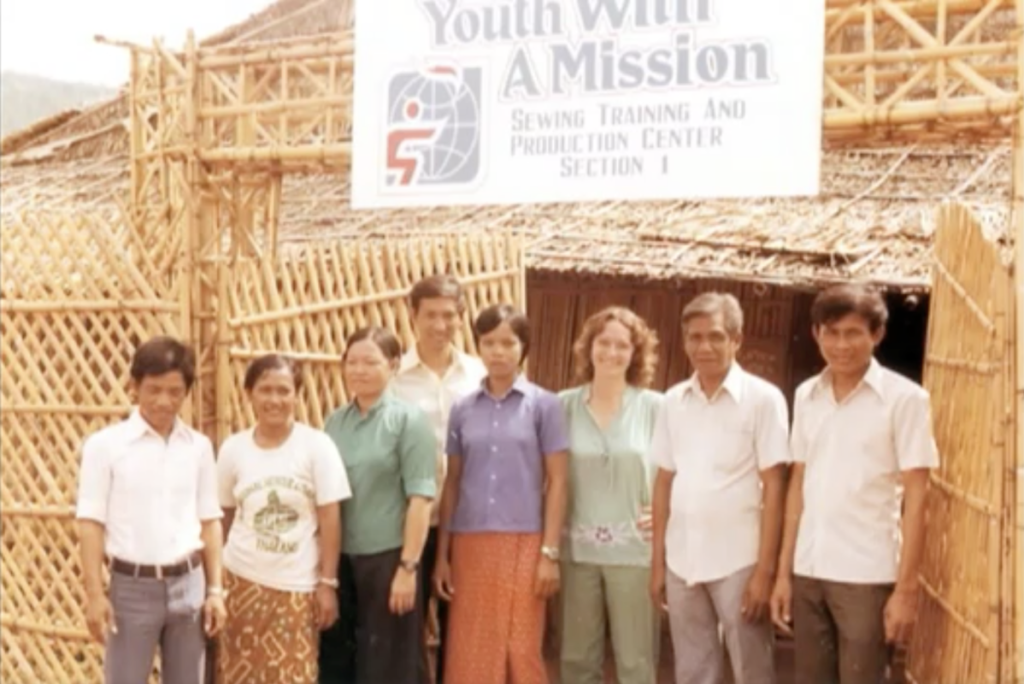
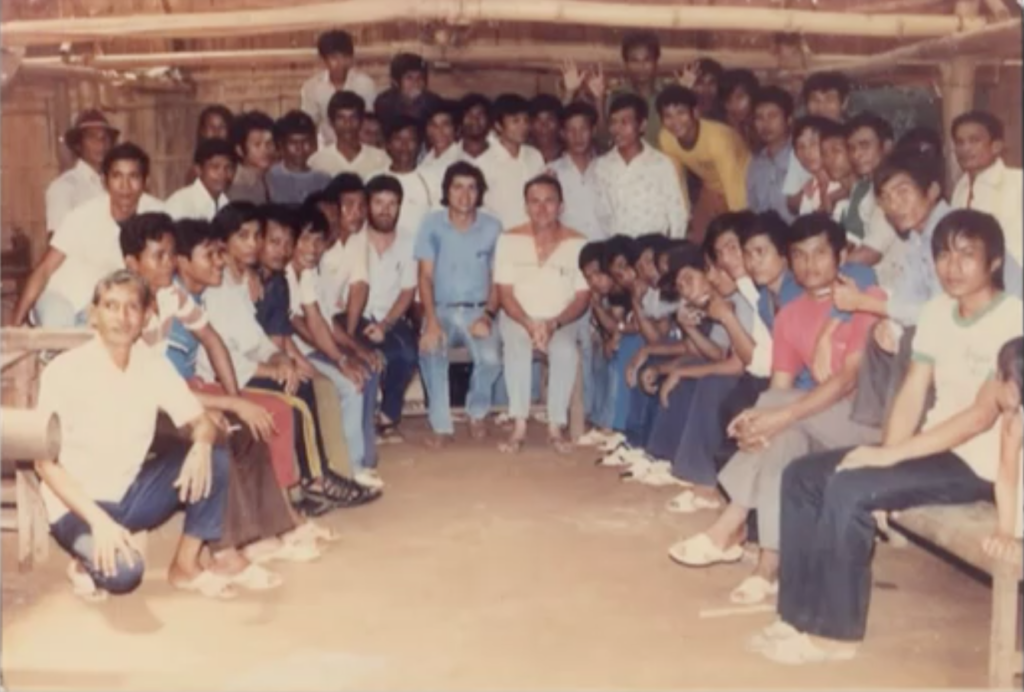
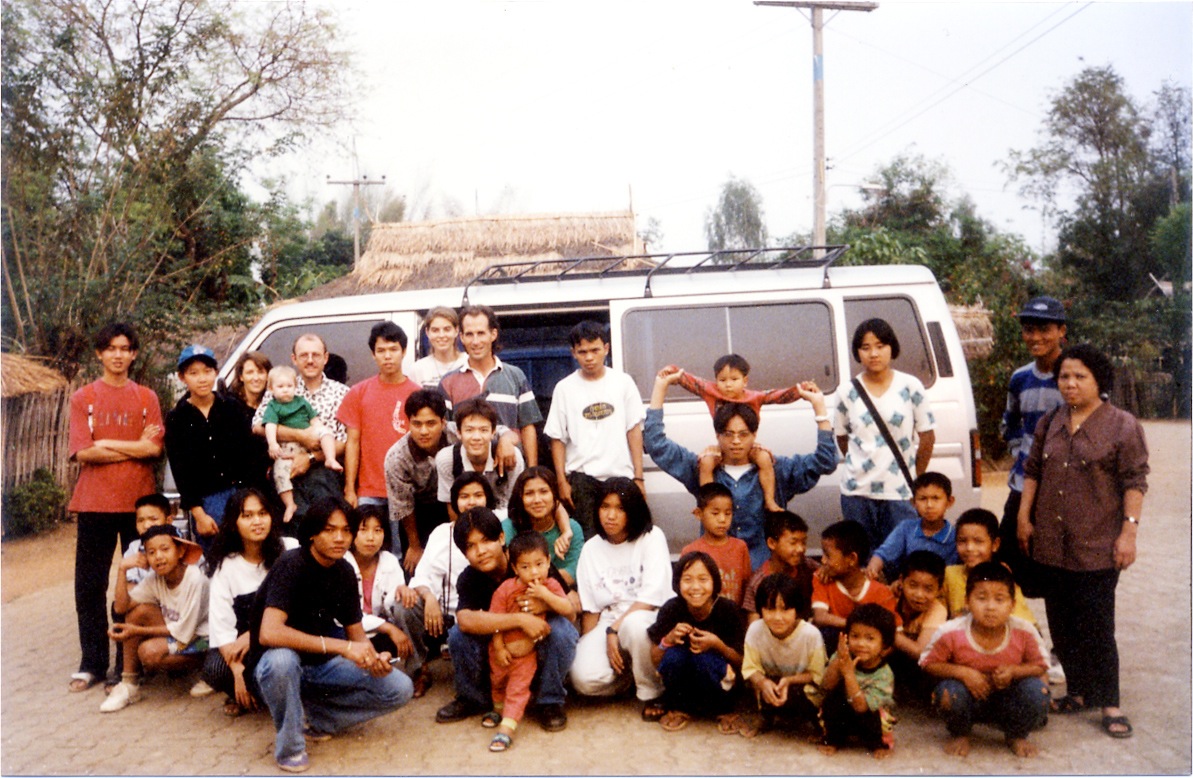
องค์กรเยาวชนเพื่อพันธกิจ (Youth With A Mission หรือ YWAM) ก่อตั้งขึ้นครั้งแรกในประเทศไทยเมื่อปี 1972 ในปี 1979 YWAM ได้เข้ามามีส่วนร่วมในการให้ความช่วยเหลือผู้ลี้ภัยหลายพันคนจากกัมพูชา ลาว และเวียดนาม ที่กำลังแสวงหาที่พักพิงในประเทศไทย อาสาสมัครของ YWAM ให้ความช่วยเหลือผู้ลี้ภัยผ่านการดูแลทางการแพทย์ การฝึกอบรมอาชีพ การแจกจ่ายเสื้อผ้า และด้านอื่นๆ จนถึงปี 1995 ในปี 1995 ค่ายผู้ลี้ภัยชาวอินโดจีนถูกปิดลง และผู้ลี้ภัยที่เหลืออยู่ถูกส่งตัวกลับประเทศบ้านเกิด

ปัจจุบัน YWAM มีเจ้าหน้าที่ชาวต่างชาติและชาวไทยประจำการเต็มเวลามากกว่า 500 คน ปฏิบัติงานใน 23 แห่ง

ทีมงานของเรามีส่วนร่วมในด้านการบริหาร การจัดจำหน่ายเพลงคริสเตียน การฝึกอบรม การเผยแพร่ศาสนา การนมัสการ/พันธกิจด้านดนตรี การเข้าถึงนักศึกษามหาวิทยาลัย ผู้ที่อาศัยอยู่ในชุมชนแอแออัด และผู้ยากไร้ในประเทศไทย

ของเรา

ไทม์ไลน์

หมายเหตุ – นี่เป็นเพียงภาพรวมพื้นฐานของประวัติความเป็นมาของเรา พระเจ้าทรงทำงานมากมายผ่าน YWAM ประเทศไทย จนเป็นไปไม่ได้ที่จะเล่าทุกสิ่งในเรื่องราวของพระองค์ที่นี่ นี่คือไฮไลท์และช่วงเวลาสำคัญบางส่วนที่ช่วยกำหนดทิศทางของเรา

1960

ลอเรน คันนิงแฮม เดินทางมาประเทศไทยเป็นครั้งแรก

ลอเรนคันนิ่งแฮม มาที่ประเทศไทยครั้งแรก

1972

เดวิดและลินดา โควิ เดินทางมายังกรุงเทพฯ เพื่อก่อตั้ง YWAM ประเทศไทย

เดวิด & ลินดา โควี่ มาที่จุดเริ่มต้นเริ่มต้น วายแวมประเทศไทยครั้งแรก

1980

สตีฟและมารี กู๊ด นำทีมจากโลซานน์ไปทำงานร่วมกับผู้ลี้ภัยเป็นเวลา 3 เดือน

สตีฟ&กราดี้นำทีมจากโลซานมาเพื่อตรวจสอบเรื่องนี้เป็นเวลา 3 เดือน

1984

อาร์ตและเอลเลน แซนบอร์น เริ่มหลักสูตร DTS แรกในประเทศไทยที่เชียงใหม่

เอิร์ธ&เอเลน รินเนอร์เริ่มต้นพบกับไทยดีทีเอสแรกที่เชียงใหม่

1987

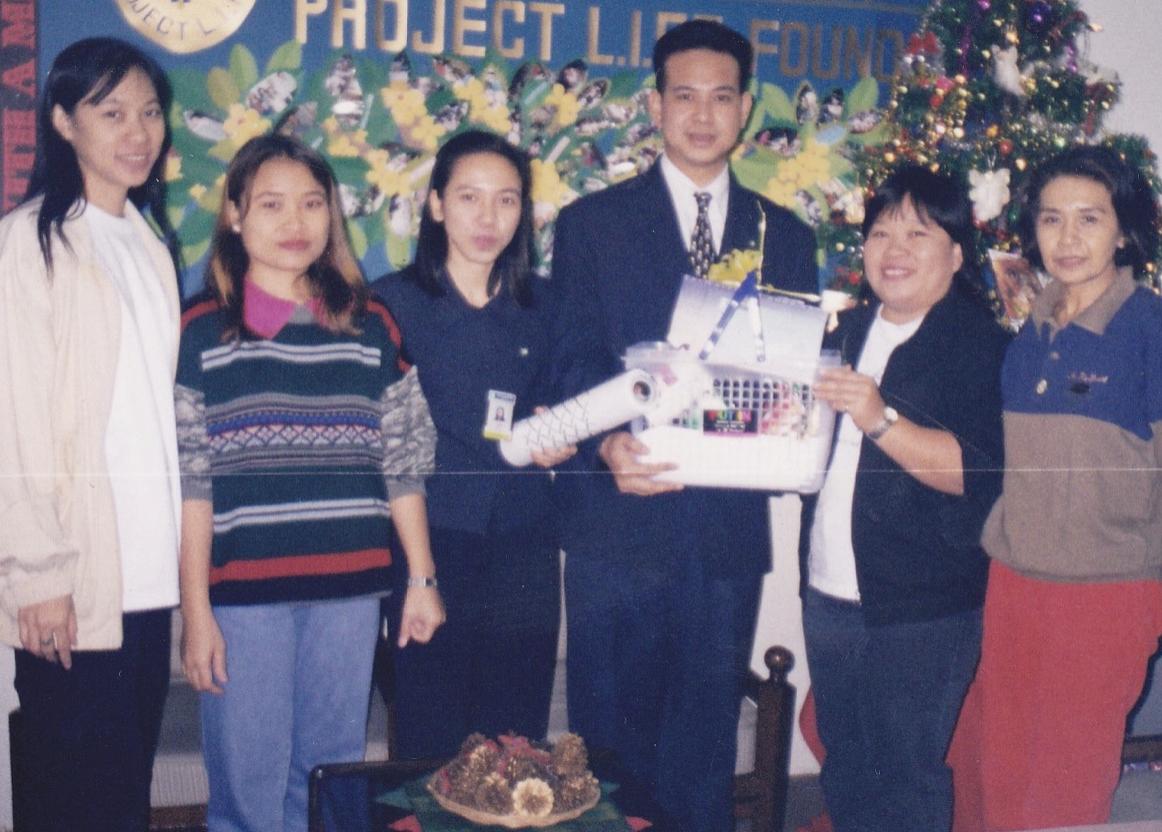
มูลนิธิ Project LIFE ได้เข้าร่วมเป็นส่วนหนึ่งของครอบครัว YWAM แล้ว

มูลนิธิโครงการเพื่อชีวิตที่จะเข้ามาแทนที่วายแวม

1995

กระทรวงศึกษาธิการในมหาวิทยาลัย เช่น บ้านใจเดียว ได้ขยายตัวออกไป

พันธกิจนักศึกษาขยายเช่น บ้านใจเดียว

1999

มีการจัดตั้งกระทรวงใหม่ในสถานที่อื่นๆ เช่น เชียงราย

พันธกิจใหม่ ๆ ที่เชียงราย

2004

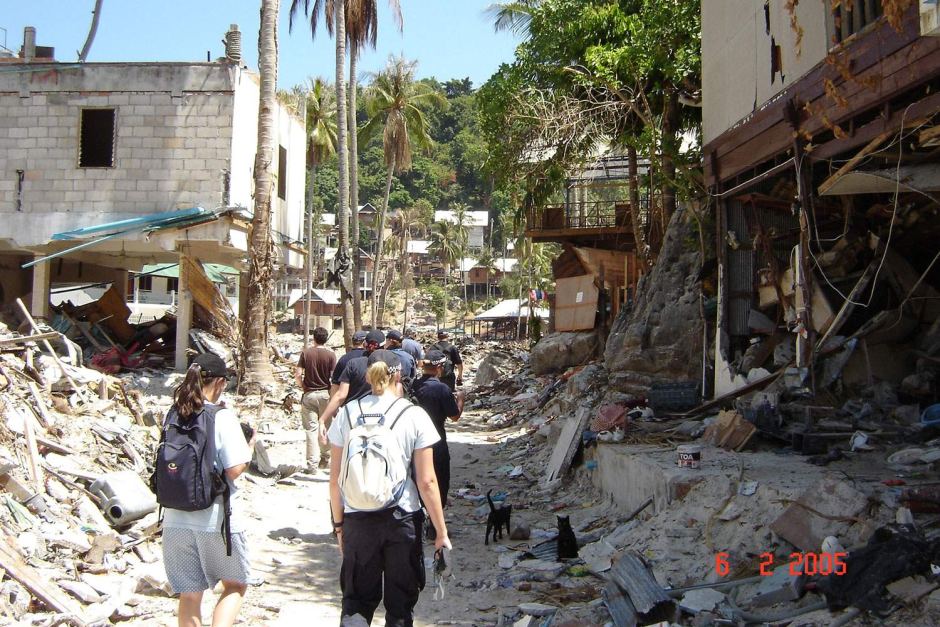
YWAM ประเทศไทยยังคงให้ความช่วยเหลือในสถานการณ์วิกฤตอย่างต่อเนื่อง เช่น เหตุการณ์สึนามิในภาคใต้ของประเทศไทย

วายแวมประเทศไทยทำให้เกิดวิกฤตภัยธรรมชาติสุนามิ

2008

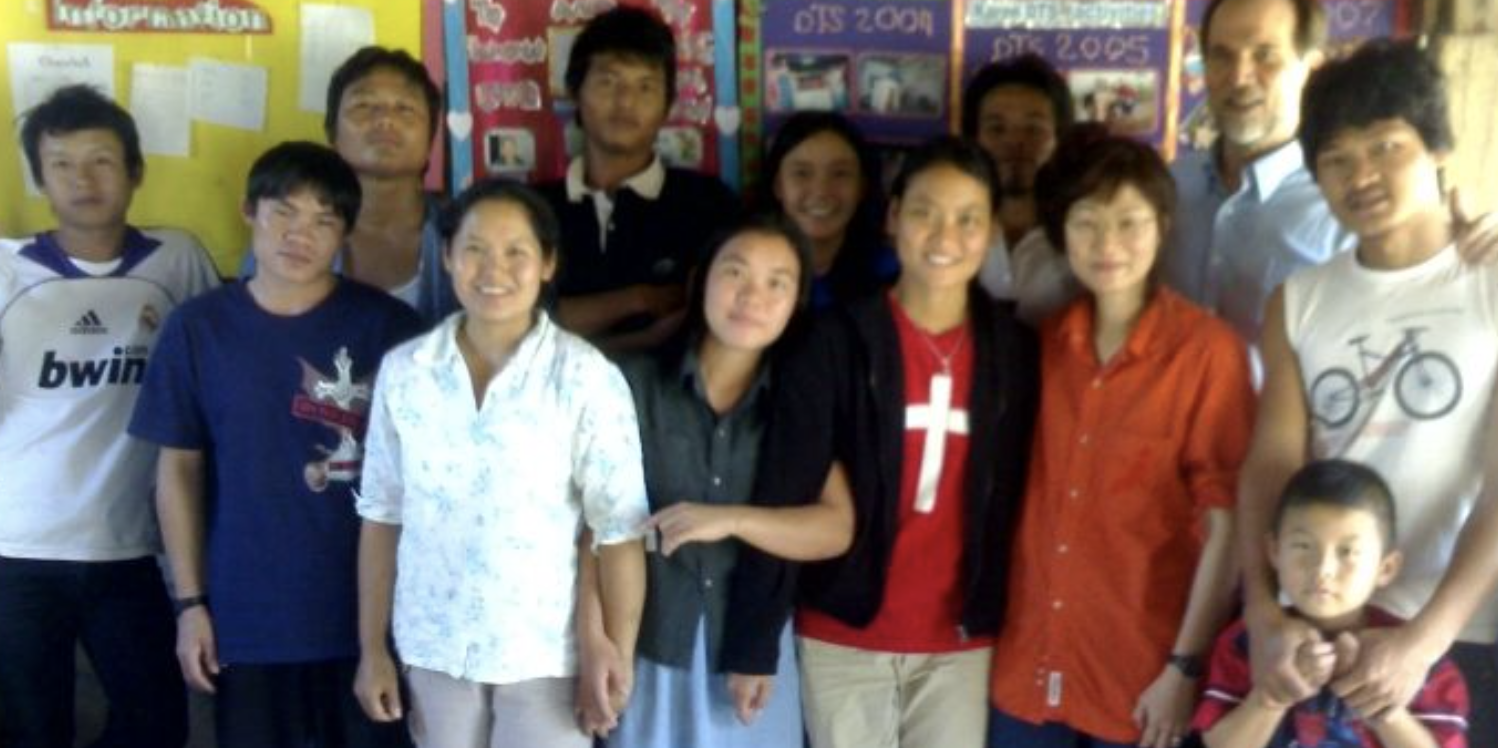
งานพันธกิจต่างๆ ขยายตัวอย่างรวดเร็ว ตัวอย่างเช่น โครงการฝึกอบรมครูสอนศาสนาของชาวกะเหรี่ยงในแม่สอด

พันธกิจขยายอย่างรวดเร็วเช่นที่แม่สอด ดีทีเอส กะเหรี่ยง

2010

องค์กร YWAM ประเทศไทย ฉลองครบรอบ 50 ปี องค์กร YWAM สากล

วายแวมฉลอง 50 ปีทั่วโลก

2015

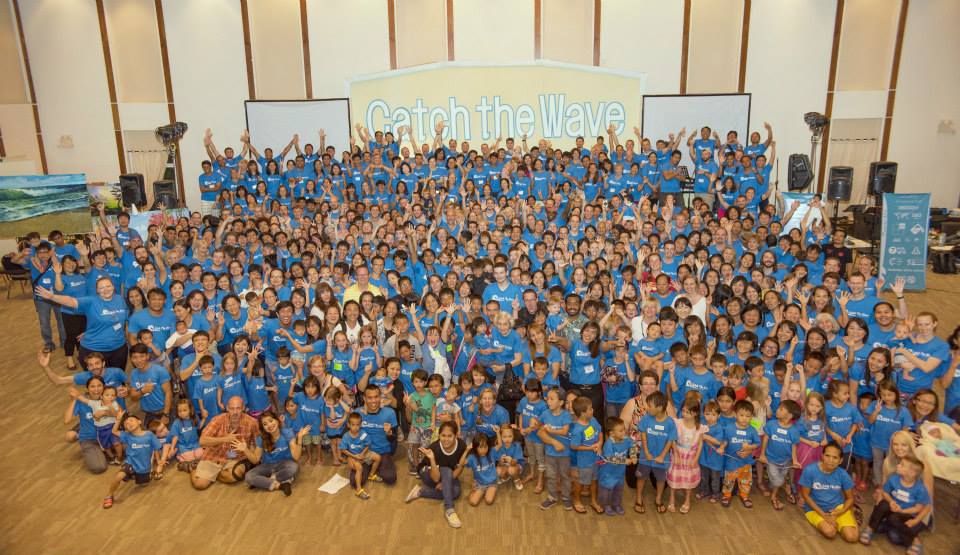
กิจกรรมรวมญาติ YWAM ประเทศไทย: ร่วมสนุกไปกับคลื่น

ครอบครัววายแวมประเทศไทย: โต้ลื่น

2018

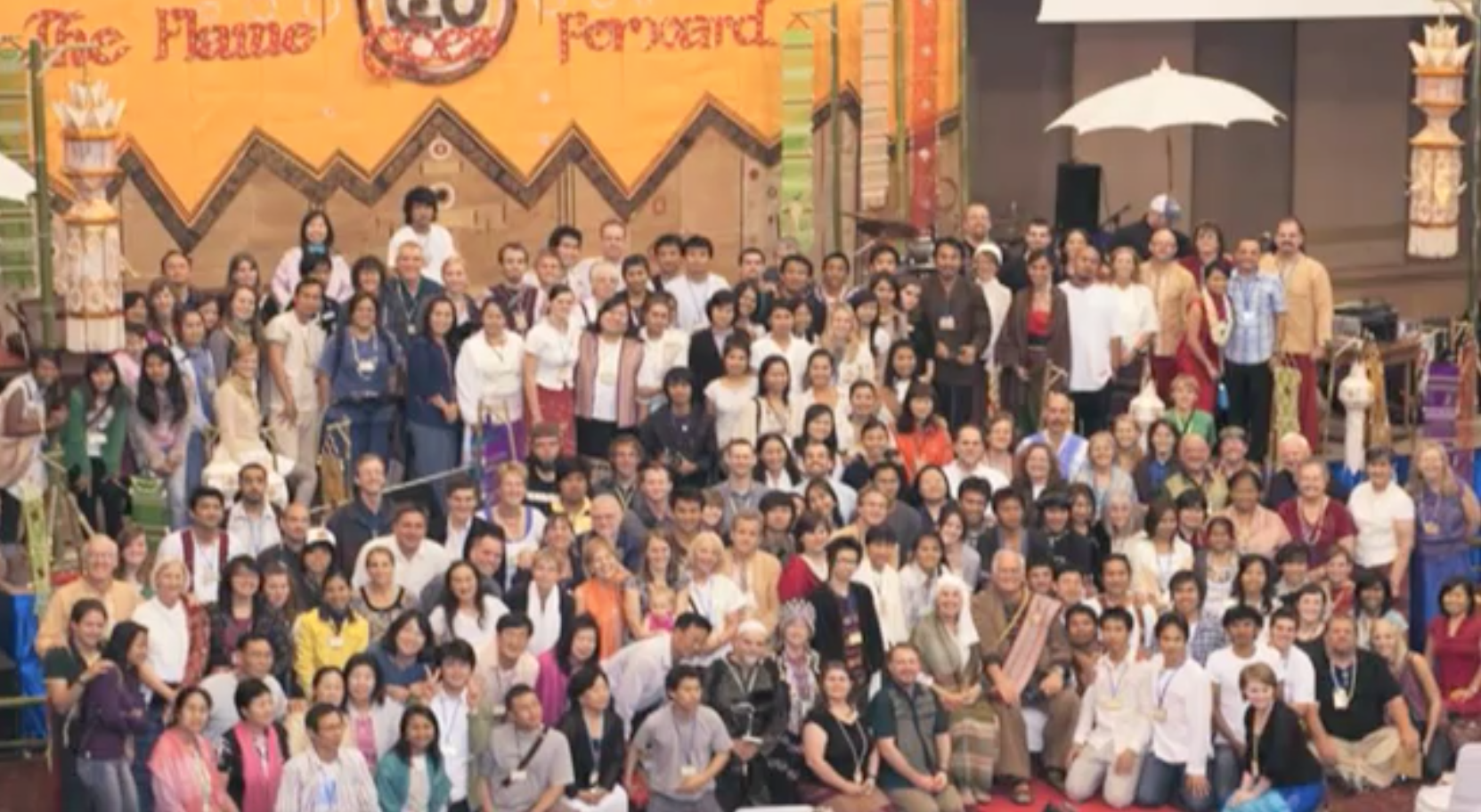
องค์การยุวชนสตรีแห่งประเทศไทย (YWAM) ยินดีต้อนรับสมาชิกทั่วโลกสู่ครอบครัว YWAM Together

วายแวมยินดีต้อนรับครอบครัวสากลสำหรับวายแวมด้วยกัน

2023

การรวมญาติ YWAM ประเทศไทย: RE

ครอบครัววายแวม: RE

จุดมุ่งหมาย ความเชื่อ ค่านิยม

สิ่งที่เราเชื่อ

เอกสารฉบับนี้แสดงถึงจุดประสงค์ ความเชื่อหลัก ค่านิยมพื้นฐาน และแนวปฏิบัติที่ YWAM ยึดมั่นอย่างจริงใจ ซึ่งได้รวบรวมขึ้นเพื่อตอบสนองต่อคำสั่งเฉพาะที่พระเจ้าประทานให้ตั้งแต่ YWAM ก่อตั้งขึ้นในปี 1960 สิ่งเหล่านี้ถูกบันทึกไว้ที่นี่เพื่อส่งต่อสิ่งที่พระเจ้าทรงเน้นย้ำแก่เราไปยังคนรุ่นหลัง จุดประสงค์ร่วมกัน ความเชื่อ และค่านิยมของ YWAM นี้เป็นหลักการชี้นำสำหรับการเติบโตของพันธกิจของเราทั้งในอดีตและอนาคต บางส่วนเป็นเรื่องทั่วไปสำหรับคริสเตียนทุกคนทั่วโลก ในขณะที่บางส่วนเป็นเอกลักษณ์เฉพาะของ Youth With A Mission การรวมกันของจุดประสงค์ ความเชื่อ ค่านิยม และแนวปฏิบัตินี้ก่อให้เกิดลักษณะเฉพาะของครอบครัว YWAM – “ดีเอ็นเอ” ของเรา สิ่งเหล่านี้เป็นกรอบที่เราให้ความสำคัญอย่างยิ่ง เพราะช่วยให้เรากำหนดว่าเราเป็นใคร เราดำเนินชีวิตอย่างไร และเราตัดสินใจอย่างไร สมาชิก YWAM คือผู้ที่สำเร็จหลักสูตรการฝึกอบรมศิษย์ของ YWAM และยอมรับอย่างมีความสุขในคำแถลงจุดประสงค์ ความเชื่อหลัก ค่านิยมพื้นฐาน คำปฏิญาณ และพันธสัญญาของเรา

แถลงการณ์วัตถุประสงค์ของ YWAM

องค์กร Youth With A Mission (YWAM) เป็นขบวนการคริสเตียนระดับนานาชาติจากหลายนิกาย ที่อุทิศตนเพื่อนำเสนอพระเยซูแก่คนรุ่นนี้และรุ่นต่อๆ ไปอย่างใกล้ชิด เพื่อระดมผู้คนให้มากที่สุดเท่าที่จะเป็นไปได้เพื่อช่วยในภารกิจนี้ และเพื่อฝึกฝนและเตรียมความพร้อมให้ผู้เชื่อเพื่อมีส่วนร่วมในการทำตามพระบัญชาใหญ่ ในฐานะพลเมืองแห่งอาณาจักรของพระเจ้า เราถูกเรียกให้รัก นมัสการ และเชื่อฟังพระเจ้าของเรา รักและรับใช้พระกายของพระองค์ คือคริสตจักร รักผู้คนทุกชาติทุกแห่ง ซึ่งรวมถึงการนำเสนอพระกิตติคุณอย่างครบถ้วนสำหรับทุกคนทั่วโลก

พวกเราจากองค์กร Youth With A Mission เชื่อในพระเจ้า – พระบิดา พระบุตร และพระวิญญาณบริสุทธิ์ – และเชื่อว่าพระคัมภีร์เป็นพระวจนะที่ได้รับการดลใจและมีอำนาจสูงสุดจากพระเจ้า เปิดเผยว่าพระเยซูคริสต์เป็นพระบุตรของพระเจ้า ทรงเป็นทั้งพระเจ้าและมนุษย์อย่างสมบูรณ์ ว่ามนุษย์ถูกสร้างขึ้นตามพระฉายของพระเจ้า ว่าพระองค์ทรงสร้างเราเพื่อให้มีชีวิตนิรันดร์โดยทางพระเยซูคริสต์ ว่าถึงแม้ว่ามนุษย์ทุกคนได้ทำบาปและขาดความรุ่งโรจน์ของพระเจ้า แต่พระเจ้าทรงทำให้ความรอดเป็นไปได้โดยทางจุติ ชีวิต ความตาย การฟื้นคืนพระชนม์ และการเสด็จขึ้นสู่สวรรค์ของพระเยซูคริสต์ ว่าการกลับใจ ความเชื่อ ความรัก และการเชื่อฟัง เป็นการตอบสนองที่เหมาะสมต่อการริเริ่มพระคุณของพระเจ้าที่มีต่อเราโดยผ่านการทรงงานของพระวิญญาณบริสุทธิ์ ว่าพระเจ้าทรงปรารถนาให้มนุษย์ทุกคนได้รับความรอดและมาถึงความรู้แห่งความจริง และฤทธิ์อำนาจของพระวิญญาณบริสุทธิ์ได้สำแดงออกมาในและผ่านทางเรา เพื่อให้สำเร็จตามพระบัญญัติสุดท้ายของพระคริสต์ คือ “จงไปทั่วโลกและประกาศข่าวดีแก่คนทั้งปวง” (มารก 16:15 NLT) และ “จงไปและทำให้คนทุกชาติเป็นสาวกของเรา…” (มัทธิว 28:19 NLT)

(วัตถุประสงค์ของ YWAM ได้รับการปรับปรุงและอนุมัติครั้งล่าสุดโดยกลุ่มผู้ก่อตั้งในเดือนพฤษภาคม 2025)

วายแวม

ความเชื่อหลัก

องค์กร Youth With A Mission (YWAM) ยืนยันว่าพระคัมภีร์เป็นพระวจนะของพระเจ้าที่ได้รับการดลใจและมีอำนาจสูงสุด และเป็นจุดอ้างอิงที่แน่นอนสำหรับทุกแง่มุมของชีวิตและการรับใช้ โดยอิงจากพระวจนะของพระเจ้า พระองค์ทรงเป็นใคร และพระองค์ทรงริเริ่มความรอดผ่านทางการไถ่บาปของพระเยซู (การสิ้นพระชนม์ การฝังพระศพ และการฟื้นคืนพระชนม์ของพระองค์) YWAM จึงเน้นย้ำถึงการตอบสนองดังต่อไปนี้อย่างยิ่ง:


การนมัสการ: เราถูกเรียกให้ สรรเสริญและนมัสการพระเจ้าแต่เพียงผู้เดียว (อพยพ 20:2-3; เฉลยธรรมบัญญัติ 6:4-5; 2 พงศ์กษัตริย์ 17:35-39; 1 พงศาวดาร 16:28-30; เนหะมีย์ 8:2-10; มาระโก 12:29-30; โรม 15:5-13; ผู้พิพากษา 24-25; วิวรณ์ 5:6-14; วิวรณ์ 19:5-8)

ความบริสุทธิ์: เราถูกเรียกให้ ดำเนินชีวิตที่บริสุทธิ์และชอบธรรม ซึ่งเป็นแบบอย่างของธรรมชาติและลักษณะนิสัยของพระเจ้า (เลวีนิติ 19:1-2; สดุดี 51:7-11; เยเรมีย์ 18:1-11; เอเสเคียล 20:10-12; ซาคาริยาห์ 13:9; ลูกา 1:68-75; เอเฟซัส 4:21-32; ติตัส 2:11-14; 1 เปโตร 2:9,21-25; 1 ยอห์น 3:1-3)

พยาน: เราถูกเรียกให้ แบ่งปันข่าวประเสริฐของพระเยซูคริสต์ กับผู้ที่ไม่รู้จักพระองค์ (สดุดี 78:1-7; อิสยาห์ 40:3-11; มีคาห์ 4:1-2; ฮาบาคุก 2:14; ลูกา 24:44-48; กิจการ 3:12-26; กิจการ 10:39-43; 1 โครินธ์ 9:19-23; 2 โครินธ์ 2:12-17; 1 เปโตร 3:15-18)

การอธิษฐาน: เราถูกเรียกให้ มีส่วนร่วมในการอธิษฐานวิงวอน เพื่อผู้คนและเรื่องต่างๆ ที่อยู่ในพระทัยของพระเจ้า รวมถึงการต่อต้านความชั่วร้ายในทุกรูปแบบ (ปฐมกาล 18:20-33; อพยพ 32:1-16; ผู้พิพากษา 3:9,15; 1 พงศ์กษัตริย์ 8:22-61; เอเสเคียล 22:30-31; เอเสเคียล 33:1-11; มัทธิว 6:5-15; มัทธิว 9:36-38; เอเฟซัส 3:14-21; 2 เธสะโลนิกา 3:1-5)

การร่วมสามัคคีธรรม: เราถูกเรียกให้ มุ่งมั่นต่อคริสตจักร ทั้งในรูปแบบการดูแลเอาใจใส่ในท้องถิ่นและการขยายตัวออกไปในวงกว้าง (2 พงศาวดาร 29:20-30; สดุดี 22:25-28; สดุดี 122:1-4; โยเอล 2:15-17; มัทธิว 18:19-20; กิจการ 2:44-47; กิจการ 4:32-35; 1 โครินธ์ 14:26-40; เอเฟซัส 2:11-18; ฮีบรู 10:23-25)

การรับใช้: เราถูกเรียกให้ มีส่วนร่วมในพระประสงค์ของอาณาจักรพระเจ้า ในทุกด้านของชีวิต (เฉลยธรรมบัญญัติ 15:7-11; เฉลยธรรมบัญญัติ 24:17-22; สดุดี 112:4-9; สุภาษิต 11:10-11; ซาคาริยาห์ 7:8-10; มัทธิว 5:14-16; 2 เธสะโลนิกา 3:13; ติตัส 3:4-8; ฮีบรู 13:15-16; ยากอบ 2:14-26)

ค่านิยมพื้นฐาน

YWAM ยึดมั่นอยู่ด้วยกันด้วยดีเอ็นเอของเรา
โดยพื้นฐานแล้ว ดีเอ็นเอของเราประกอบด้วยค่านิยม 18 ประการนี้
ที่เราแสดงออกผ่านชีวิตและการรับใช้ของเรา

  • 01. รู้จักพระเจ้า

    YWAM มุ่งมั่นที่จะรู้จักพระเจ้า พระลักษณะ พระอุปนิสัย และวิถีทางของพระองค์ตามที่เปิดเผยไว้ในพระคัมภีร์ ซึ่งเป็นพระวจนะของพระเจ้าที่ได้รับการดลใจและมีอำนาจสูงสุด เราพยายามที่จะสะท้อนให้เห็นถึงพระองค์ในทุกแง่มุมของชีวิตและการรับใช้ของเรา การรู้จักและมีความสุขกับการสามัคคีธรรมกับพระเจ้าจะนำไปสู่ความปรารถนาที่จะแบ่งปันพระองค์กับผู้อื่นโดยอัตโนมัติ (2 พงศ์กษัตริย์ 19:19; โยบ 42:5; สดุดี 46:10; สดุดี 103:7-13; เยเรมีย์ 9:23-24; โฮเซอา 6:3; ยอห์น 17:3; เอเฟซัส 1:16-17; ฟิลิปปี้ 3:7-11; 1 ยอห์น 2:4-6)

  • 02. จงทำให้พระเจ้าเป็นที่รู้จัก

    YWAM มีพันธกิจที่จะทำให้พระเจ้าเป็นที่รู้จักไปทั่วโลก และในทุกภาคส่วนของสังคม ผ่านการประกาศข่าวประเสริฐ การฝึกอบรม และพันธกิจแห่งความเมตตา เราเชื่อว่าการช่วยให้รอดของวิญญาณควรนำไปสู่การเปลี่ยนแปลงของสังคม ซึ่งเป็นการเชื่อฟังคำสั่งของพระเยซูที่ให้สร้างสาวกจากทุกชาติ (1 พงศาวดาร 16:24-27; สดุดี 68:11; สดุดี 71:15-16; สดุดี 145:4-7; มัทธิว 28:18-20; มาระโก 16:15; กิจการ 1:8; กิจการ 13:1-4a; โรม 10:8-15; โรม 15:18-21)

  • 03. ฟังเสียงของพระเจ้า

    YWAM มุ่งมั่นที่จะสร้างสรรค์สิ่งต่างๆ ร่วมกับพระเจ้า โดยการฟังพระองค์ อธิษฐานตามพระประสงค์ของพระองค์ และเชื่อฟังพระบัญชาของพระองค์ในเรื่องต่างๆ ทั้งเล็กและใหญ่ เราพึ่งพาการฟังพระสุรเสียงของพระองค์ ทั้งในฐานะปัจเจกบุคคล ในฐานะทีม และในกลุ่มใหญ่ ซึ่งเป็นส่วนสำคัญของกระบวนการตัดสินใจของเรา (1 ซามูเอล 3:7-10; 2 พงศาวดาร 15:2-4; สดุดี 25:14; อิสยาห์ 6:8; อาโมส 3:7; ลูกา 9:35; ยอห์น 10:1-5; ยอห์น 16:13-15; ฮีบรู 3:7-8,15; วิวรณ์ 2:7,11,17,27; 3:6,13,22)

  • 04. ฝึกฝนการนมัสการและการอธิษฐานวิงวอน

    YWAM มุ่งมั่นที่จะนมัสการพระเจ้าและอธิษฐานวิงวอนเป็นส่วนสำคัญของชีวิตประจำวัน เราตระหนักถึงเจตนาของซาตานที่จะทำลายงานของพระเจ้า และเราพึ่งพาการทรงสถิตอันทรงพลังของพระเจ้า คือพระวิญญาณบริสุทธิ์ เพื่อเอาชนะกลยุทธ์ของซาตานในชีวิตของแต่ละบุคคลและในกิจการของประเทศต่างๆ (1 ซามูเอล 7:5; 2 พงศาวดาร 7:4; สดุดี 84:1-8; สดุดี 95:6-7; สดุดี 100:1-5; มาระโก 11:24-25; กิจการ 1:14; เอเฟซัส 6:13-20; 1 เธสะโลนิกา 5:16-19; 1 ทิโมธี 2:1-4)

  • 05. จงเป็นผู้มีวิสัยทัศน์

    YWAM ได้รับการทรงเรียกให้เป็นผู้มีวิสัยทัศน์ รับ บ่มเพาะ และเผยแพร่วิสัยทัศน์ใหม่ๆ จากพระเจ้าอย่างต่อเนื่อง เราสนับสนุนการบุกเบิกพันธกิจและวิธีการใหม่ๆ พร้อมที่จะเปลี่ยนแปลงอย่างสุดขั้วเพื่อให้สอดคล้องกับทุกยุคทุกสมัย ทุกกลุ่มคน และทุกภาคส่วนของสังคม เราเชื่อว่าการทรงเรียกของอัครสาวกของ YWAM ต้องการการบูรณาการของผู้อาวุโสฝ่ายวิญญาณ เสรีภาพในพระวิญญาณ และความสัมพันธ์ โดยมีพระวจนะของพระเจ้าเป็นศูนย์กลาง (กันดารวิถี 12:6; 1 ซามูเอล 12:16; สุภาษิต 29:18; เอเสเคียล 1:1; ฮาบาคุก 2:23; มาระโก 1:35-39; ลูกา 9:1-6; กิจการ 16:9-10; กิจการ 26:19; 2 เปโตร 3:9-13)

  • 06. สนับสนุนเยาวชน

    YWAM มีพันธกิจในการสนับสนุนเยาวชน เราเชื่อว่าพระเจ้าทรงประทานของประทานและทรงเรียกเยาวชนให้เป็นผู้นำวิสัยทัศน์และพันธกิจ เรามุ่งมั่นที่จะให้คุณค่า ไว้วางใจ ฝึกฝน สนับสนุน และสร้างพื้นที่เพื่อให้พวกเขาได้แสดงศักยภาพ พวกเขาไม่ใช่แค่คริสตจักรในอนาคต แต่พวกเขาคือคริสตจักรในปัจจุบัน เรามุ่งมั่นที่จะติดตามพวกเขาไปในที่ที่พวกเขาชี้นำ ตามพระประสงค์ของพระเจ้า (1 ซามูเอล 17:32-50; ปัญญาจารย์ 4:13-14; ปัญญาจารย์ 12:1-7; เยเรมีย์ 1:5-10; ดาเนียล 1:17-20; โยเอล 2:28; ยอห์น 6:9; กิจการ 16:1-5; 1 ทิโมธี 4:12-16; 1 ยอห์น 2:12-14)

  • 07. กระจายอำนาจ

    YWAM คือขบวนการอาสาสมัครระดับโลกที่ยึดมั่นในพระคริสต์และศรัทธา โดยมีวิสัยทัศน์ ความเชื่อหลัก ค่านิยมพื้นฐาน และความสัมพันธ์ที่แน่นแฟ้นร่วมกัน เราไม่มีโครงสร้างส่วนกลาง หน่วยงาน YWAM ทุกแห่งมีสิทธิพิเศษและความรับผิดชอบทางจิตวิญญาณในการพัฒนาและรักษาความสัมพันธ์ที่ดีกับผู้มีอำนาจและกลุ่มผู้อาวุโสที่เกี่ยวข้อง (อพยพ 18:13-26; กันดารวิถี 1:16-19; กันดารวิถี 11:16-17,24-30; เฉลยธรรมบัญญัติ 29:10-13; โยชูวา 23:1-24:28; กิจการ 14:23; กิจการ 15:1-31; 1 โครินธ์ 3:4-11; ติตัส 1:5-9; ฮีบรู 13:7,17)

  • 08. มีความเป็นสากลและครอบคลุมหลายนิกาย

    YWAM เป็นองค์กรระดับนานาชาติและข้ามศาสนา ทั้งในขอบเขตทั่วโลกและในระดับท้องถิ่น เราเชื่อว่าความหลากหลายทางชาติพันธุ์ ภาษา และนิกาย รวมถึงแง่มุมที่ได้รับการไถ่บาปของวัฒนธรรม เป็นปัจจัยเชิงบวกที่ส่งเสริมความแข็งแกร่งและการเติบโตของพันธกิจ (ปฐมกาล 12:1-4; ปฐมกาล 26:2-5; สดุดี 57:9-10; เยเรมีย์ 32:27; ดาเนียล 7:13-14; กิจการ 20:4; 1 โครินธ์ 12:12-31; เอเฟซัส 4:1-16; โคโลสี 3:11; วิวรณ์ 7:9)

  • 09. มีมุมมองโลกแบบคริสเตียนตามหลักพระคัมภีร์

    YWAM ยึดมั่นในมุมมองคริสเตียนตามหลักพระคัมภีร์ เราเชื่อว่าพระคัมภีร์—ตำราสำหรับทุกแง่มุมของชีวิต—ได้แบ่งแยกอย่างชัดเจนระหว่างความดีและความชั่ว ความถูกต้องและความผิด การดำเนินชีวิตในแง่มุมต่างๆ นั้นมีความสำคัญทางจิตวิญญาณไม่น้อยไปกว่าการแสดงออกในงานรับใช้ ทุกสิ่งที่ทำด้วยความเชื่อฟังพระเจ้าล้วนเป็นเรื่องทางจิตวิญญาณ เรามุ่งมั่นที่จะถวายเกียรติแด่พระเจ้าในทุกสิ่งที่เราทำ โดยการเตรียมความพร้อมและระดมกำลังชายหญิงของพระเจ้าให้มีบทบาทในการรับใช้และมีอิทธิพลในทุกด้านของสังคม (เฉลยธรรมบัญญัติ 8:1-3; เฉลยธรรมบัญญัติ 32:45-47; 2 พงศ์กษัตริย์ 22:8; สดุดี 19:7-11; ลูกา 8:21; ยอห์น 8:31-32; ฟิลิปปี้ 4:8-9; 2 ทิโมธี 3:16-17; ฮีบรู 4:12-13; ยากอบ 4:17)

  • 10. ทำงานเป็นทีม

    YWAM ได้รับการทรงเรียกให้ทำงานเป็นทีมในทุกด้านของการรับใช้และการเป็นผู้นำ เราเชื่อว่าการผสมผสานของของประทาน การทรงเรียก มุมมอง การรับใช้ และคนรุ่นต่างๆ ที่ทำงานร่วมกันอย่างเป็นเอกภาพในทุกระดับของพันธกิจของเราจะนำมาซึ่งปัญญาและความปลอดภัย การแสวงหาพระประสงค์ของพระเจ้าและการตัดสินใจในบริบทของทีมช่วยให้เกิดความรับผิดชอบและส่งเสริมความสัมพันธ์ที่ดีขึ้น แรงจูงใจ ความรับผิดชอบ และความเป็นเจ้าของวิสัยทัศน์ (เฉลยธรรมบัญญัติ 32:30-31; 2 พงศาวดาร 17:7-9; สุภาษิต 15:22; ปัญญาจารย์ 4:9-12; มาระโก 6:7-13; โรม 12:3-10; 2 โครินธ์ 1:24; เอเฟซัส 5:21; ฟิลิปปี้ 2:1-2; 1 เปโตร 4:8)

  • 11. แสดงให้เห็นถึงภาวะผู้นำแบบรับใช้

    YWAM ยึดมั่นในหลักการเป็นผู้นำแบบรับใช้เป็นวิถีชีวิต มากกว่าจะเป็นลำดับชั้นของการเป็นผู้นำ ผู้นำแบบรับใช้คือผู้ที่ให้เกียรติแก่พรสวรรค์และการทรงเรียกของผู้ที่อยู่ภายใต้การดูแลของตน และปกป้องสิทธิและอภิสิทธิ์ของพวกเขา เช่นเดียวกับที่พระเยซูทรงรับใช้เหล่าสาวกของพระองค์ เราเน้นย้ำถึงความสำคัญของผู้ที่มีความรับผิดชอบในการเป็นผู้นำในการรับใช้ผู้ที่ตนนำ (เฉลยธรรมบัญญัติ 10:12-13; สดุดี 84:10; อิสยาห์ 42:1-4; มีคาห์ 6:8; มาระโก 10:42-45; ยอห์น 13:3-17; โรม 16:1-2; กาลาเทีย 5:13-14; ฟิลิปปี้ 2:3-11; 1 เปโตร 4:10-11)

  • 12. จงลงมือทำก่อน แล้วค่อยสอน

    YWAM มุ่งมั่นที่จะลงมือทำก่อน แล้วจึงสอน เราเชื่อว่าประสบการณ์ตรงเป็นสิ่งที่ให้ความน่าเชื่อถือแก่คำพูดของเรา คุณธรรมที่มาจากพระเจ้าและการทรงเรียกจากพระเจ้ามีความสำคัญมากกว่าพรสวรรค์ ความสามารถ และความเชี่ยวชาญของแต่ละบุคคล (เฉลยธรรมบัญญัติ 4:5-8; เอเสเคียล 7:10; สดุดี 51:12-13; สดุดี 119:17-18; สุภาษิต 1:1-4; มัทธิว 7:28-29; กิจการ 1:1-2; โคโลสี 3:12-17; 2 ทิโมธี 4:1-5; 2 เปโตร 1:5-10)

  • 13. ให้ความสำคัญกับความสัมพันธ์

    YWAM มุ่งมั่นที่จะสร้างความสัมพันธ์ที่ดีในการใช้ชีวิตและการทำงานร่วมกัน เราปรารถนาที่จะรวมเป็นหนึ่งเดียวกันด้วยชีวิตที่บริสุทธิ์ การสนับสนุนซึ่งกันและกัน ความโปร่งใส ความอ่อนน้อมถ่อมตน และการสื่อสารอย่างเปิดเผย มากกว่าการพึ่งพาโครงสร้างหรือกฎเกณฑ์ (เลวีนิติ 19:18; สดุดี 133:1-3; สุภาษิต 17:17; สุภาษิต 27:10; ยอห์น 13:34-35; ยอห์น 15:13-17; ยอห์น 17:20-23; โรม 13:8-10; 1 ยอห์น 1:7; 1 ยอห์น 4:7-12)

  • 14. ให้คุณค่าแก่ความเป็นปัจเจกบุคคล

    YWAM มีพันธกิจในการให้คุณค่าแก่ทุกคน เราเชื่อในโอกาสที่เท่าเทียมกันและความยุติธรรมสำหรับทุกคน มนุษย์ทุกคนถูกสร้างขึ้นตามพระฉายของพระเจ้า ไม่ว่าจะเป็นเชื้อชาติ อายุ หรือหน้าที่การงาน ล้วนมีส่วนร่วมและพันธกิจที่โดดเด่น เรามุ่งมั่นที่จะให้เกียรติแก่ของประทานแห่งการเป็นผู้นำและการรับใช้ที่พระเจ้าประทานให้แก่ทั้งชายและหญิง (ปฐมกาล 1:27; เลวีนิติ 19:13-16; เฉลยธรรมบัญญัติ 16:18-20; สดุดี 139:13-16; มาระโก 8:34-37; กิจการ 10:34-35; กาลาเทีย 3:28; เอเฟซัส 6:5-9; ฮีบรู 2:11-12; ยากอบ 2:1-9)

  • 15. ให้ความสำคัญกับครอบครัว

    YWAM ยืนยันถึงความสำคัญของการที่ครอบครัวรับใช้พระเจ้าด้วยกันในงานเผยแผ่ศาสนา ไม่ใช่แค่พ่อและ/หรือแม่เพียงฝ่ายเดียว เรายังยอมรับครอบครัวที่มีพ่อหรือแม่เลี้ยงเดี่ยวด้วย เราสนับสนุนการพัฒนาครอบครัวที่เข้มแข็งและมีสุขภาพดี โดยที่สมาชิกแต่ละคนมีส่วนร่วมในการเผยแผ่ศาสนาและนำของประทานของตนมาใช้ในแบบที่เป็นเอกลักษณ์และเสริมซึ่งกันและกัน เรายึดมั่นและเฉลิมฉลองมุมมองตามพระคัมภีร์ที่ว่าพระประสงค์ของพระเจ้าสำหรับการสมรสอันศักดิ์สิทธิ์นั้นคือระหว่างชายหนึ่งคนและหญิงหนึ่งคน (ปฐมกาล 2:21-24; ปฐมกาล 18:17-19; เฉลยธรรมบัญญัติ 6:6-7; สุภาษิต 5:15-23; สุภาษิต 31:10-31; มาลาคี 2:14-16; มัทธิว 19:3-9; 1 โครินธ์ 7:1-16; 1 ทิโมธี 3:2-5; ฮีบรู 13:4)

  • 16. ฝึกฝนการพึ่งพาพระเจ้า

    YWAM ได้รับการเรียกร้องให้ดำเนินชีวิตโดยพึ่งพาพระเจ้าในด้านการเงิน ไม่ว่าจะเป็นรายบุคคล ทีม หรือชุมชนใดๆ ของ YWAM การเงินนี้มาจากผู้คนของพระองค์เป็นหลัก เช่นเดียวกับที่พระเจ้าทรงเมตตาต่อเรา เราก็ปรารถนาที่จะเมตตาเช่นกัน โดยมอบตนเอง เวลา และความสามารถของเราแด่พระเจ้าโดยไม่หวังสิ่งตอบแทนใดๆ (ปฐมกาล 22:12-14; อพยพ 36:2-7; กันดารวิถี 18:25-29; มาลาคี 3:8-12; มัทธิว 6:25-33; ลูกา 19:8-9; 2 โครินธ์ 8:1-9:15; ฟิลิปปี้ 4:10-20; ติตัส 3:14; 3 ยอห์น 5-8)

  • 17. ฝึกฝนการต้อนรับขับสู้

    YWAM ยืนยันว่าพันธกิจแห่งการต้อนรับเป็นเครื่องแสดงออกถึงพระลักษณะของพระเจ้าและคุณค่าของมนุษย์ เราเชื่อว่าการเปิดใจ เปิดบ้าน เปิดสถานที่และวิทยาเขตของ YWAM เพื่อรับใช้และให้เกียรติซึ่งกันและกัน แขกของเรา และคนยากจนและผู้ขัดสน เป็นสิ่งสำคัญ ไม่ใช่เพื่อเป็นการปฏิบัติตามธรรมเนียมทางสังคม แต่เป็นการแสดงออกถึงความเอื้อเฟื้อเผื่อแผ่ (ปฐมกาล 18:1-8; 2 ซามูเอล 9:1-11; สดุดี 68:5-6; สุภาษิต 22:9; อิสยาห์ 58:7; มัทธิว 25:31-46; กิจการ 28:7-8; โรม 12:13; ฮีบรู 13:1-3; 1 เปโตร 4:9)

  • 18. สื่อสารด้วยความซื่อสัตย์สุจริต

    YWAM ยืนยันว่าทุกสิ่งมีอยู่ได้เพราะพระเจ้าทรงสื่อสาร ดังนั้น YWAM จึงมุ่งมั่นที่จะสื่อสารอย่างจริงใจ ถูกต้อง ทันเวลา และตรงประเด็น เราเชื่อว่าการสื่อสารที่ดีเป็นสิ่งจำเป็นสำหรับความสัมพันธ์ที่แน่นแฟ้น ครอบครัวและชุมชนที่มีสุขภาพดี และการปฏิบัติศาสนกิจที่มีประสิทธิภาพ (ปฐมกาล 1:3-5; กันดารวิถี 23:19; สุภาษิต 10:19; สุภาษิต 25:9-14; ซาคาริยาห์ 8:16-17; มัทธิว 5:33-37; ลูกา 4:16-22; ยอห์น 1:15; โคโลสี 4:6; ยากอบ 3:1-18)

*หมายเหตุทางประวัติศาสตร์

Historical Note

PURPOSE, BELIEFS & VALUES

HISTORICAL NOTE: This document includes the YWAM Statement of Purpose and the Core Beliefs and Foundational Values of Youth With A Mission. 

The YWAM Statement of Purpose was written in the early 1960s. We purposefully never wrote a “Statement of Faith” because we are “an international movement of Christians from many denominations” and wanted simply to clarify why God had called this movement into being.

YWAM’s Core Beliefs and Foundational Values were birthed through a multi-decade process of hearing God and listening to one another. The process of identifying our values was initiated by Darlene Cunningham in 1985 at the time of YWAM’s 25th anniversary, in order to pass them on to successive generations. The document was then approved six years later by the International Council in 1991.

At that time the International Council (IC) was the recognized global eldership of the mission. Since that time the senior circle of global elders has functioned under several different names. First it was the International Council (IC). It was later called the Global Leadership Team (GLT) and then was known as the Global Leadership Forum (GLF). This body was disbanded in Singapore 2014 in order to put in place a flatter, movement framework at the trans-local level in the place of what was becoming an increasingly hierarchical organizational structure. Now there are many circles of spiritual eldership around the mission—many of them known as Area Circle Teams (ACTs). A senior group of elders has been convened by Loren and Darlene Cunningham and is known as the Founders’ Circle (FC).

Throughout these many decades, a primary role of the body of global spiritual elders (whether the IC, GLT, GLF or FC) has been to confirm, steward and safeguard the foundational documents of the mission. Though the FC does not have the governmental oversight of earlier leadership frameworks, it does carry this role of protecting and clarifying our foundational documents.

A history of YWAM’s Values, since first presented by Darlene in 1985 and approved by the IC in 1991, include updates by the GLT in 2003 and the GLF in 2011, 2014. The FC confirmed an update in 2017 during the UofN Workshop in Costa Rica regarding the inclusion of “Service” as one of our responses to our Core Beliefs; and an update in 2018 during YWAM Together in Thailand, which clarifies Value 15. At that same time this new format was adopted so that our Purpose, Core Beliefs, Foundational Values, and the supporting Scriptural references would be presented as a singular document. The above document, approved by the Founders’ Circle in May 2025, clarifies wording in the Statement of Purpose and Values 4, 7, 16 & 17. The January 2022 update was for minor grammatical edits.

This updated document plus the following six covenantal documents form the foundational documents of Youth With A Mission:

• 1988: The Manila Covenant, 
• 1992: The Red Sea Covenant, 
• 2002: The Nanning Covenant, 
• 2010: The Jubilee Covenant, 
• 2014: The Singapore Covenant, and 
• 2014: The Covenant to End Bible Poverty.

YWAM’s identity and mission is further clarified by what we know as the “Four Legacy Words” given by God to Loren Cunningham through the years regarding the “alls” and the “everys” of our call. These are the major words of the Lord, which over our history have guided us and shaped our inheritance as a mission. They include 

• 1. The Covenantal Vision of the Waves, which Loren received in June of 1956 in the Bahamas shortly before his 21st birthday.
• 2. The Call to Disciple Nations through the Seven Spheres of Society (1975),
• 3. The Christian Magna Carta (1981), and 
• 4. The Commitment to End Bible Poverty Now (1967 & 2014).
All of these are rooted in the early days of the mission’s story, and we continue to grow in our understanding and application of these Four Legacy Words.
© 1991 Youth With A Mission; 2003; 2011; 2014; 2017; 2025; 2022.

Thai Culture Facts

General Information

Thai Culture Facts

The national form of greeting in Thailand is the “wai”. It is done by placing the hands palm to palm and raising them to the face. About the level with the mouth or chin is normal, with a slight bow of the head. Quickly discipline yourself to greet with the “wai”, except to younger children, where a smile or nod is sufficient acknowledgement. When greeting, the younger or socially ‘inferior’ greets the elder or socially ‘superior’ first.

NOTE – When bringing USD, it is best to bring $100 and $50 bills as they tend to get the best exchange rate when compared to $20, $10 and $5 bills. As well, the majority of banks and currency exchange counters will only exchange USD bills that have been printed after 2004.

NOTE – When bringing travelers cheques, please be aware that there is usually a $1 – $2 USD fee for each cheque regardless of the amount.

NOTE – If you are looking for a hassle-free and secure way to handle your teams funds while here, we recommend that you use an ATM card issued by your local bank. UPDATE – Please be advised that Thai banks are now charging a 150 baht surcharge fee every time you withdraw money. This is on top of any fees that your local bank may levy or any international fees. This means that you could potentially pay up to $10 USD per withdrawal.

Visa debit cards are also useful as they can be used at many stores although a 3% surcharge will be added. Credit cards are also widely accepted. When booking travel tickets through a travel agency, if you use a credit card, they will also charge you a 3% surcharge.

The local currency is currently rated at around US $1.00 = 35 baht. For the most recent currency exchange rate, please visit: http://www.bangkokbank.com/

Thais consider the head as the most honorable part of the body. Therefore it is a great insult to touch a person’s head, reach over it or point at a person’s face. If you accidentally forget and do so, politely beg his or her pardon. If necessary to reach for something above someone’s head, say “excuse me” first.

Further details on how much to budget per month can be found in the attached Budget document. For further information, please contact Talent Trust at – http://www.talent-trust.com.

The foot is considered to be “dirty” by Thais. It is the lowest part of the body. Never point your foot (especially the bottom of the foot) at someone, refer to it or draw attention to it unnecessarily. Never move anything with your foot or step over someone if they are sitting on the floor. Sit cross-legged or fold your legs to the side, when sitting on the floor. Do not sit with your legs extended out in front of you. Always remove your shoes before entering a house.

Please recognize that learning the Thai language is of daily benefit to you as you will be able to order food, travel around, communicate with locals, share your testimony etc.

The YWAM Thailand National Office has an official Thai language teacher that provides you the opportunity to learn ‘on site’. By studying at the YWAM Thailand National Office, you are able to save on travel expenses and travel time. We typically prefer all Culture and Language Phase students to study 4 day a week, 2 hours per day. NOTE – You do have the option of studying as an individual or with a classmate (if available).

However, if you are on a tight budget, and are unable to meet the stated language budget as mentioned in the Budget document (that was sent to you earlier), then further options may be discussed with you. NOTE – While we do believe that studying with our official Thai language teacher is the best option for you, we do understand that some students may prefer a group (10+ people) classroom setting.

Buddhist monks are forbidden to touch or be touched by a woman, or to accept anything from the hand of one. If a woman has to give anything to a monk, she first hands it to a man, who then presents it. Women do not sit down next to a monk (eg. on a bus). When speaking to a monk, be sure to leave space between you and him.

Since Buddhism is the national religion in Thailand, all Buddha images, large and small, in good or bad condition, are regarded as sacred objects. Do not climb up on them to take a photograph or do anything that will show disrespect to Buddhism and indirectly to the Thai people. Showing disrespect to Buddhism and other religions is against the law and could cause you to be deported!

Please consult with your ministry leader to confirm if you will need to pay staff fees.

The Thais have a deep respect for the Royal Family and they love their king and queen. We therefore need to show respect for the members of the royal family also. Never talk about the royal family when Thais are present. Even if what we say is positive it may be misinterpreted and may offend the Thais. When in government buildings, in parks or on university campuses, the National Anthem is played at 8am and 6pm and everyone stops what they are doing and stands still and at attention, in respect. This includes the Ram 2 campus where we are located. Do NOT step on money because it has the king’s image/head on it and this would be VERY disrespectful.

There have been several individuals in the past who were unaware of their tax obligations and ended up having to pay some very steep back taxes and penalties. We want to do all that we can to ensure that this does not happen again. If you need assistance, a tax accountant can be recommended to you. He is based in the US and assists several of our staff already.

Bargaining is not done in departmental stores or up-scale shops. However, bargaining is done in markets and in small shops set up along the streets. Do not bargain with food vendors on the street. Find out the price before you order food. The same goes for taking motorcycle taxis. It is good to ask someone who has lived here for a while about the approximate costs in order to determine of what is a fair price to pay.

While there are many embassies and consulates around the world, there are some that we would recommend that you try to avoid. We would not recommend that you apply for your visa at the embassy in Los Angeles, California due to many previous failed attempts. However, we would recommend that you consider trying the Thai embassy or consulate in the following locations:

Portland, Oregon
Honolulu, Hawaii
Denver, Colorado
Chicago, Illinois

If you do receive a one-year, multiple-entry, non-immigrant Type “O” visa, you will still be required to exit Thailand every 90 days as part of the visa restrictions. Each time you re-enter the country, until the expiration date of your visa, you will receive an additional 90 day stay in Thailand. In most cases, these “visa runs” may be accomplished in one day or less. When your current one-year, multiple-entry, non-immigrant Type “O” visa expires, you will need to go to one of the above listed cities / countries or return to your home country in order to apply for another one.

Many of our long-term staff still do not have missionary visas and they are required to do these “visa run” trips, as well.  Once you are in Thailand, at your specific ministry location, your ministry leader will be able to give you the exact costs of such a trip as well as advice on the best way for you to get there.

If you do not receive the one-year, multiple-entry, non-immigrant Type “O” visa, please contact the YWAM Thailand National Office administrator (office@ywamthailand.org); and they will assist you through alternative options.

Hand-holding between a man and woman is acceptable but no other public displays of affection are appropriate in Thai culture. However, you will often see members of the same sex holding hands, etc. This usually does not imply homosexual feelings but rather is a sign of friendship.

Thais call any Caucasian visitors “farangs”, derived from the word for the French people that came during the time of French Indochina. Thais love to ask “farang” and other visitors questions. Most questions are quite routine but others can appear quite shocking to foreigners who like to protect their personal privacy. The questions “Where are you going?” or “Where have you been?” or “Have you eaten lately?” are really a kind of greeting and they do not demand a detailed explanation. Other more prying questions such as “Why are you so fat?” or “Why are you not married yet?” or “How much money do you make?” or “What kind of birth-control do you use?” are quite normal questions in Thailand and are not considered nosy. A straightforward answer is not always expected and you can make a bit of a joke about it.

Thais place a high priority on neatness and cleanliness and are rather sensitive to body odor. It is not uncommon to shower several times a day here. The better you dress the more respect you will get in any level of society. One of the major differences between Thai culture and western culture is that long pants are worn in almost all settings. Shorts are worn only to play sports. When doing ministry, you will need to be especially careful about your attire and make sure you are not “sloppy”. Please ask your leaders for appropriate specific dress codes, since this will be different for each location.

In Thailand, it is not polite to show emotion in public. Thais are especially offended when one openly displays anger. So guard your tongue (Psalm 141:3 “Set a guard over my mouth, O LORD; keep watch over the door of my lips”) and learn to control your emotions. One angry outburst directed at a Thai could cancel your influence with that person and those who observed your behavior.

If people are sitting on the floor in a meeting, it is best to walk around the outside of the group. Do not step over people or books on the floor.

When visiting Thais in their home (or when they are visiting your home), it is the host’s responsibility to give the guest something to drink. Failure to do so is a breach of common courtesy. It is not the guest’s responsibility to drink the water, and it is acceptable not to, especially if you are not sure whether the water is pure.

When visiting Thai homes, especially if you are invited for a meal, it is customary to bring some fruit or small desserts. When in doubt about questions of etiquette, ask the YWAM staff or a Thai. It is common for a Thai person to invite you to eat rice with them. Often, the Thai person is only trying to be polite and expects you to refuse the offer. It is good to politely say, “No, thank-you…” If the Thai person persists, then they genuinely want you to accept the invitation. The same is true in the reverse. If you ask a Thai person to eat with you, often they will decline the first offer, but accept the second or third.

The Thai people are very group-oriented, compared to western individualism. Young Thais are going to share little snacks with you, and they sort of expect you to do the same with them. Try to become a cheerful giver, when you buy a bag of chips, some chocolates, etc.

To call a taxi or a person, signal them with a palm down, hand waving action. Do not use your index finger to call someone or to point somewhere or at somebody.

Be aware of the volume of your voice as some foreigners tend to speak loudly compared to Thai norms. It is basically impolite to shout, yell, or speak loudly in public. Go talk to the person instead of shouting to them. It is also considered impolite to laugh loudly in public.

When using the public dressing room, such as a pool changing room, use the changing stalls provided, as nudity is considered impolite.

Gifts are generally opened in private, not in front of the giver.

The Thais consider it poor manners to sit on a chair with your legs crossed, extended out in front of you, especially if you are bouncing your foot up and down. When sitting on the floor, sit as discretely as possible. Always try to sit on the same level as others. If someone is seated when you enter the room it is desirable to be seated as soon as possible. This is especially true if the person of higher status or older than you. If you disregard this, you will be thought rude.

It is impolite to pass something by tossing it to a person or pushing it toward them with the foot. When passing something, use your right hand, since using your left hand for passing things is rude because of cultural toilet practices.

Thais place great emphasis on politeness and respect for elders and those in authority. From an early age, they are taught to respect superiors, parents, teachers and the elderly. The emphasis in relationships is vertical rather than horizontal. In other words, Thais are concerned about fitting properly into society. Deference, avoidance of conflict and a desire to please people are all hallmarks of the Thai character. Therefore, when meeting people of higher status, it is wise to remember to address them politely and with respect. Remember to smile and “wai”.

Generosity is a sign of an important person. Don’t be stingy.

Generally, Thais accept their lot in life without resentment. They are usually good-natured and give the appearance that they are carefree (which is not always the case.) There is a sense of fatalism in their attitude towards life, which comes from the Buddhist concept of karma. That is, one’s past deeds bring consequences, both bad and good, to one’s present life. Trouble and suffering are believed to be a result of bad karma, while prosperity results from good karma.

Help should not be offered verbally. If you see that you could be of help, help! If you ask first, the person will refuse and say “never mind”, because they want to be considerate and do not wish to bother anyone. Your desire to help is noted and appreciated if you actually take the opportunity to be helpful.

Thailand is known as “The Land of Smiles”. To the foreigner who is unfamiliar with Thai culture, it may seem that the Thais are always smiling. Smiles have a variety of meanings in Thai society: to indicate amusement, to excuse and give pardon for minor offenses, to thank someone for a small service, to avoid comment on issues, or to show embarrassment, etc. Smile when you greet people and if people smile at you, smile back. Thai hearts (like most other hearts *grin*) are more open when they are met with heartfelt friendliness.

The concept of “Face” is most important in Thai culture. Keeping one’s “Face” is equivalent to keeping one’s self-respect and dignity intact. Thais will go great lengths to ensure that, as much as possible, neither you nor they will lose “Face”. In fact, almost anywhere you go in Asia, you will find this concept important. This means that Thais will rarely confront even when you have offended them. Therefore, confrontation must be done with great care to avoid shaming a Thai friend. It is best to ask a “farang” who has lived in Thailand for several years for advice if you feel confrontation is necessary.

The Thais are very relationship oriented. That means that unless they feel like you want to be their friend first, they are usually not going to be interested in the Gospel. Do NOT start sharing the Gospel with them before you have asked them about their family, where they live, their hobbies, school etc.

Remember that Thailand is a Buddhist country and many of our concepts concerning God are very difficult for them to grasp and understand especially Christian cliches. When sharing your testimony, keep it simply and to the point.

When explaining the Gospel, we have found it best to start from the very beginning of creation, attempting to explain God and His purpose for creating the universe and man. Just keep in mind that most Thai people have no Christian background whatsoever.

Never argue with them about Buddhism or say anything negative about Buddha or compare him to Jesus. That will only create resentment. Thai people believe in reincarnation, karma, merit, ancestor worship, ghosts of many kinds and much more. Remember when sharing with a Thai don’t get bogged down trying to figure out all these things, just stay focused on your testimony and the love of God. When it comes right down to it, Thai people have an emptiness in their hearts which only God can fill. They need to know that God loves them and wants a personal relationship with them.

Here are some Thai words that may be helpful for you.(ph is pronounced with a ‘p’ sound not like an ‘F’)

God = phra jaaw

Jesus = phra yesu

Love = khwaam rak

Sin = khwaam baap

Hell = narok

Grace = phra khun

heaven = sawaan

church = boat

God loves you = Phra jaaw song rak khun

THAI
CULTURE

What to know

General Information

Make God Known
ทำให้พระเจ้าเป็นที่รู้จัก

YWAM is called to make God known throughout the whole world, and into every arena of society through evangelism, training and mercy ministries. We believe that salvation of souls should result in transformation of societies thus obeying Jesus’ command to make disciples of all nations. (1Ch 16:24-27; Psa 68:11; Psa 71:15-16; Psa 145:4-7; Mat 28:18-20; Mar 16:15; Act 1:8; Act 13:1-4a; Rom 10:8-15; Rom 15:18-21)

วายแวมรับการทรงเรียกที่จะทำให้ทั่วทั้งโลกได้รู้จักพระเจ้า และให้ถึงสังคมทุกด้านผ่านทางการประกาศ การฝึกอบรมและพันธกิจเมตตา เราเชื่อว่าจิตวิญญาณที่ได้รับความรอดนั้นควรยังผลในการเปลี่ยนแปลงของสังคม เราทำเช่นนั้นได้โดยการเชื่อฟังพระเยซูด้วยการสร้างคนในทุกชาติให้เป็นสาวก (1 พงศาวดาร 16:24-27; สดุดี 68:11; สดุดี 71:15-16; สดุดี 145:4-7; มัทธิว 28:18-20; มาระโก 16:15; กิจการ 1:8; กิจการ 13:1-4a; โรม 10:8-15; โรม 15:18-21)

super-bluhm-zG32bSWmiqw-unsplash
Ministry name

Location

Mission statement for each ministry

IMG_3102

CENTRAL REGION

THAILAND

No posts were found for provided query parameters.

NORTHERN REGION

THAILAND

KNOW GOD
รู้จักพระเจ้า

YWAM is committed to know God, His nature, His character and His ways as revealed in the Bible, the inspired and authoritative Word of God. We seek to reflect who He is in every aspect of our lives and ministry. The automatic overflow of knowing and enjoying fellowship with God is a desire to share Him with others. (2Ki 19:19; Job 42:5; Psa 46:10; Psa 103:7-13; Jer 9:23-24; Hos 6:3; Joh 17:3; Eph 1:16-17; Php 3:7-11; 1Jo 2:4-6)

วายแวมอุทิศตนต่อการรู้จักพระเจ้า อุปนิสัย พระลักษณะ และวิถีทางของพระองค์  ดังที่ได้สำแดงผ่านทางพระคัมภีร์ไบเบิ้ล ซึ่งถือเป็นถ้อยคำที่ได้รับการดลใจและมีสิทธิอำนาจจากพระเจ้า เราแสวงหาที่จะสำแดงถึงพระเจ้าในทุกด้านของชีวิตและในพันธกิจของเรา  ครั้นรู้จักกับพระเจ้าและอยู่ในการสามัคคีธรรมกับพระองค์แล้ว เราจะปรารถนาที่จะแบ่งปันเกี่ยวกับพระเจ้าสู่ผู้อื่นได้เป็นอัตโนมัติ (2 พงศ์กษัตริย์  19:19; โยบ 42:5; สดุดี 46:10; สดุดี103:7-13; เยเรมีย์ 9:23-24; โฮเซยา 6:3; ยอห์น 17:3; เอเฟซัส 1:16-17; ฟิลิปปี 3:7-11; 1ยอห์น 2:4-6)

This site is registered on wpml.org as a development site. Switch to a production site key to remove this banner.