
สานต่อเส้นทางการสร้างสาวกของตนเองในประเทศไทย
มาร่วมหลักสูตร DTS หรือเพิ่มพูนความรู้และทักษะเพิ่มเติมผ่านเวิร์คชอป สัมมนา และอื่นๆ
โรงเรียนระดับสองที่เปิดทั่วประเทศ
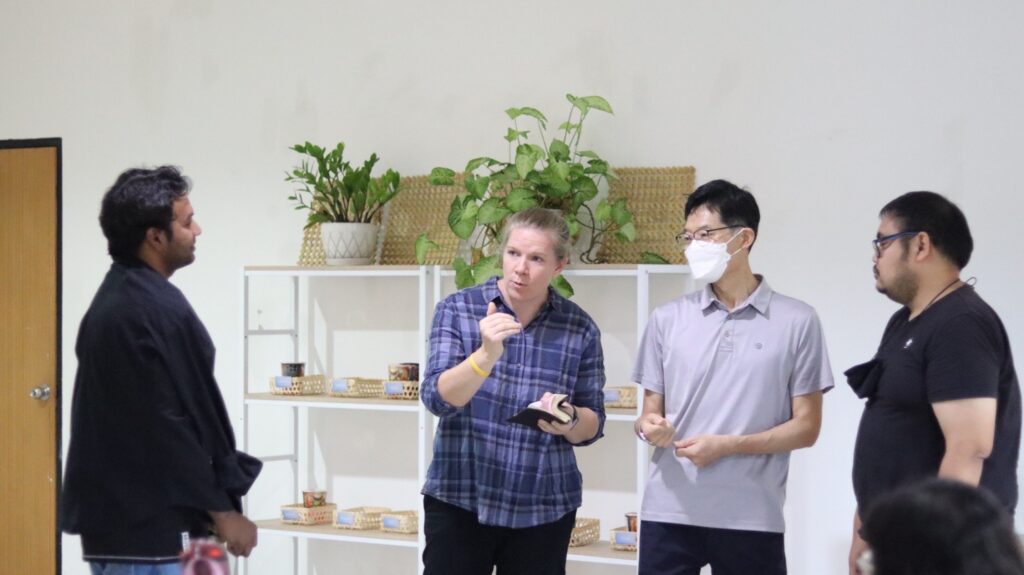

“ให้ผู้มีปัญญาฟังและเพิ่มพูนความรู้ และให้ผู้มีวิจารณญาณได้รับคำแนะนำ” (สุภาษิต 1:5)
พระเจ้าของเราทรงเป็นองค์พระผู้เป็นเจ้าเหนือจิตใจและความคิดของเรา พระองค์ทรงปรารถนาให้เราเติบโตทั้งในด้านคุณธรรมและความเข้าใจ เราจะรับใช้พระเจ้าและพระประสงค์ของพระองค์ในชีวิตของเราบนโลกนี้ได้ดีที่สุดเมื่อเราเสริมสร้างตนเองด้วยความรู้ ปัญญา และความไว้วางใจ วายแวมประเทศไทย (YWAM) มุ่งหวังที่จะเห็นทุกภาคส่วนของสังคม (บ้าน โบสถ์ รัฐบาล ธุรกิจ/เทคโนโลยี การศึกษา สื่อ และศิลปะ/ความบันเทิง) ได้รับอิทธิพลจากความรักและฤทธานุภาพของพระเยซูคริสต์ผ่านการเชื่อฟังของลูกๆ ของพระองค์
ไม่ว่าคุณจะได้รับการเรียกให้ไปรับใช้ในประเทศไทยหรือที่ใดก็ตามทั่วโลก เราขอเชิญชวนให้คุณเข้าร่วมในโรงเรียนต่างๆ มากมายที่เปิดโดยวายแวมประเทศไทย มาสัมผัสพลังแห่งการเปลี่ยนแปลงของพระเยซูคริสต์ในชีวิตและหัวใจของคุณ และเรียนรู้ด้วยตนเองว่าการใช้ชีวิตในชุมชนข้ามวัฒนธรรมในประเทศไทยหมายความอย่างไร โดยเข้าร่วมในหลักสูตรโรงเรียนการสร้างสาวก (DTS) สองภาษา (ไทย/อังกฤษ) หากคุณสำเร็จหลักสูตรดีทีเอสแล้ว ลองพิจารณาโรงเรียนระดับสองอื่นๆ ที่มีให้เลือกมากมายในวายแวมประเทศไทย ตั้งแต่โรงเรียนการบุกเบิกแนวหน้า ไปจนถึงงานรับใช้ผ่านศิลปะ และอื่นๆ อีกมากมาย!
โรงเรียนการสร้างสาวก (DTS วายแวม) เปิดประตูสู่โลกแห่งความเป็นไปได้มากมายกับวายแวมและองค์กรอื่นๆ เมื่อคุณสำเร็จหลักสูตรดีทีเอสแล้ว คุณจะมีทางเลือกหลายอย่างรออยู่ข้างหน้า
ภาคทฤษฎีและภาคออกประกาศหลักสูตรดีทีเอสจะเปิดโอกาสให้คุณได้เห็นภาพรวมชีวิตของมิชชันนารีระยะยาว หลังจากจบหลักสูตรดีทีเอสคุณสามารถสมัครเข้าร่วมเป็นเจ้าหน้าที่วายแวมได้เป็นระยะเวลาสองปีหรือนานกว่านั้น สถานที่ตั้งของวายแวมในหลายพื้นที่มีโปรแกรมฝึกอบรมหรือโปรแกรมให้คำปรึกษาสำหรับผู้ที่ต้องการเข้าร่วมเป็นเจ้าหน้าที่
หลักสูตรดีทีเอสยังให้โอกาสคุณที่จะอธิษฐานขอการทรงนำจากพระเจ้าและฟังสิ่งที่พระองค์อาจกำลังตรัสกับคุณได้อย่างมากมาย คุณสามารถพัฒนาตนเองและลองทำงานรับใช้ในรูปแบบต่างๆ ได้อีกด้วย ตลอดกระบวนการนี้ คุณอาจรู้ได้ว่าพระเจ้านำให้รับใช้ในรูปแบบไหน หรือไปยังพื้นที่รับใช้ไหนได้ โดยค้นหาโอกาสในการทำงานกับวายแวมในด้านที่คุณสนใจ หรือตำแหน่งงานเจ้าหน้าที่วายแวมในเกือบทุกส่วนของโลกได้ที่ ywam.org เมื่อคุณพบแล้ว คุณสามารถใช้แบบฟอร์มขอรายละเอียดเพิ่มเติมเพื่อสอบถามวิธีการสมัครได้
หากหลังจากจบ DTS แล้ว คุณต้องการเรียนรู้และสัมผัสกับวายแวมให้มากขึ้น แต่ยังไม่พร้อมสมัครเป็นเจ้าหน้าที่เต็มเวลาเป็นระยะเวลา 2 ปี คุณก็สามารถสมัครเป็นอาสาสมัครเพื่อรับใช้เป็นเวลาสองสามเดือนในพื้นที่เดียวกันหรือในหลายๆ ที่ได้ พันธกิจ Mission Builder ของวายแวมเชี่ยวชาญในการช่วยเหลือผู้ที่ต้องการเป็นอาสาสมัครในวายแวมโดยจะช่วยเชื่อมโยงคุณกับโอกาสในการรับใช้ที่เหมาะสมกับความสนใจและการทรงเรียกของคุณ.
โดยมีทางเลือกให้กับอาสาสมัครหลายอย่าง volunteer options for DTS graduates. คุณสามารถค้นหาโอกาสการเป็นอาสาสมัครได้จากเว็บไซต์นี้ และสามารถเรียนรู้รายละเอียดเพิ่มเติมของแต่ละโอกาสได้ โดยกรอกแบบฟอร์ม “ขอรายละเอียดเพิ่มเติม”
เมื่อคุณสำเร็จจากหลักสูตรดีทีเอส และอยากจะที่จะศึกษาต่อในหลักสูตรของวายแวมมากขึ้น คุณสามารถศึกษาพระคัมภีร์เต็มรูปแบบในระยะเวลา 9 เดือน คุณสามารถเรียนรู้การประกาศกับกลุ่มคนที่ข่าวประเสริฐยากจะเข้าถึง คุณสามารถ คุณสามารถเรียนรู้การใช้ศิลปะการแสดงเพื่อส่งอิทธิพลต่อสังคม วายแวมมีหลักสูตรการอบรมที่หลากหลายในทุกส่วนของโลก คุณสามารถเข้าร่วมเพื่อเป็นการสานต่อเพื่อใบปริญญาตรีกับ มหาวิทยาลัยนานาชาติของวายแวม สามารถสำรวจหลักสูตรต่างๆ ที่เปิดได้จากเวปไซต์ โดยเลือกในด้านที่คุณสนใจและมีหัวใจ แล้วค้นหาในส่วนโรงเรียนอบรมเฉพาะทางได้ สามารถเข้าไปดูที่ University of the Nations website
หลายคนมีความรู้สึกว่าพระเจ้านำพวกเขาให้รับใช้พระเจ้าที่ไม่ใช่ภายในวายแวมหลังจากจบหลักสูตรดีทีเอสแล้ว หากคุณรู้สึกว่าพระเจ้านำให้ทำธุรกิจ เวปไซต์ธุรกิจเพื่องานรับใช้ สามารถให้ข้อมูลคุณได้ การสอนในเรื่องสถาบันต่างๆ ของสังคมก็เป็นประโยชน์เช่นกัน คุณสามารถศึกษาเกี่ยวกับสถาบันทางสังคมด้านต่างๆ ได้จาก หน้าคอลทูออล หากคุณพบว่ามีองค์กรที่อยากเข้าร่วมในระหว่างศึกษาอยู่ในหลักสูตรดีทีเอส ดีทีเอสก็สามารถเป็นพื้นฐานที่ดีในการเริ่มต้นของคุณ Iหากคุณต้องการศึกษาต่อเพื่อพัฒนาความรู้และทักษะเพิ่มเติม ผู้สำเร็จการศึกษา DTS จำนวนมากได้รับการทรงนำให้ศึกษาต่อในระดับที่สูงขึ้น จนสำเร็จการศึกษาระดับ ปริญญาตรี ปริญญาโท หรือปริญญาเอก ในสาขาต่าง ๆ
ในฐานะศิษย์เก่าของดีทีเอสคุณเป็นส่วนหนึ่งของครอบครัววายแวมและยินดีต้อนรับให้เข้าร่วมกิจกรรมสำหรับ ศิษย์เก่าวายแวม นอกจากนี้ คุณยังสามารถติดตามข่าวสารของวายแวม หรือเข้าร่วมวันอธิษฐานประจำเดือนของวายแวมได้โดยลงทะเบียนรับข่าวสารผ่านปุ่ม “ลงทะเบียนรับจดหมายข่าว” ด้านล่าง หรือกดไลค์ เพจ Facebook ของ YWAM ติดตาม บัญชี Instagram บัญชี Twitter หรือ ช่อง YouTube ของเรา
6/479-480
รามคำแหง 2
ซอย 6
ดอกใหม่, ประเวท,
กรุงเทพฯ 10263
+66-2-752-8180
office@ywamthailand.org
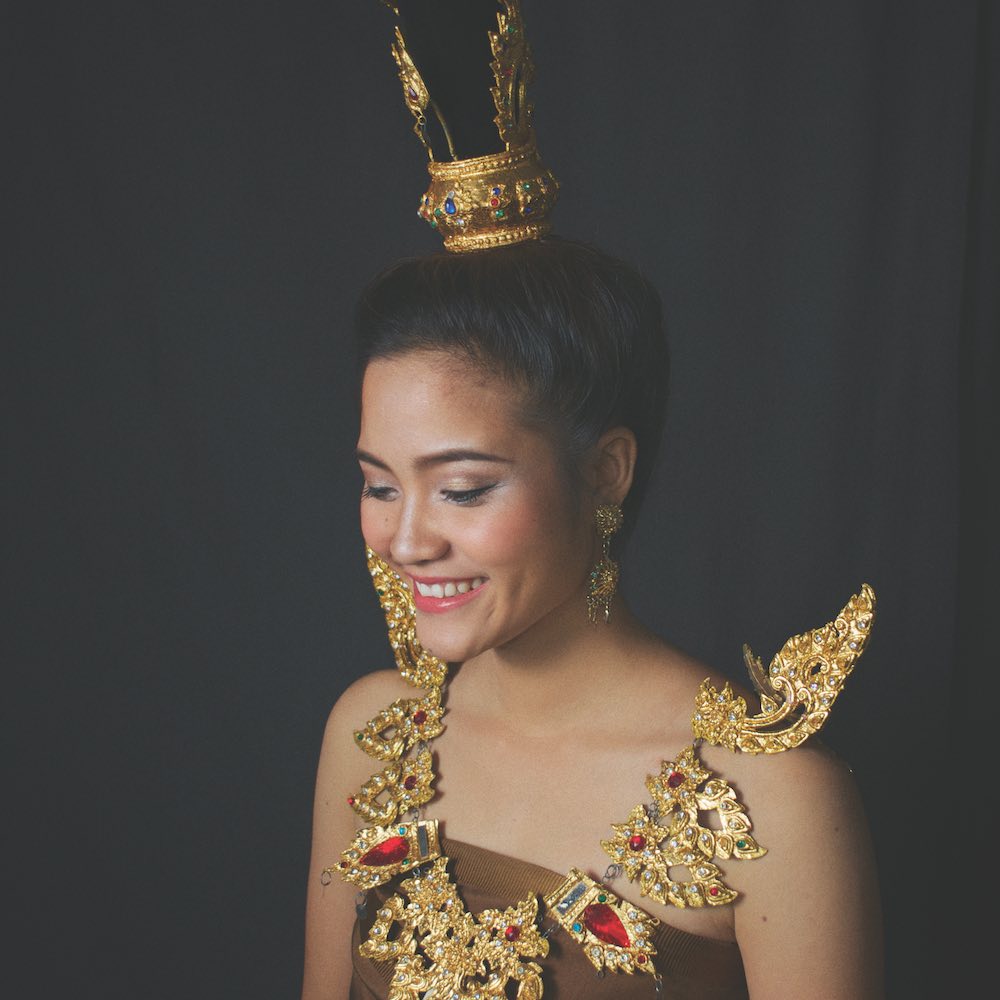
The national form of greeting in Thailand is the “wai”. It is done by placing the hands palm to palm and raising them to the face. About the level with the mouth or chin is normal, with a slight bow of the head. Quickly discipline yourself to greet with the “wai”, except to younger children, where a smile or nod is sufficient acknowledgement. When greeting, the younger or socially ‘inferior’ greets the elder or socially ‘superior’ first.
NOTE – When bringing USD, it is best to bring $100 and $50 bills as they tend to get the best exchange rate when compared to $20, $10 and $5 bills. As well, the majority of banks and currency exchange counters will only exchange USD bills that have been printed after 2004.
NOTE – When bringing travelers cheques, please be aware that there is usually a $1 – $2 USD fee for each cheque regardless of the amount.
NOTE – If you are looking for a hassle-free and secure way to handle your teams funds while here, we recommend that you use an ATM card issued by your local bank. UPDATE – Please be advised that Thai banks are now charging a 150 baht surcharge fee every time you withdraw money. This is on top of any fees that your local bank may levy or any international fees. This means that you could potentially pay up to $10 USD per withdrawal.
Visa debit cards are also useful as they can be used at many stores although a 3% surcharge will be added. Credit cards are also widely accepted. When booking travel tickets through a travel agency, if you use a credit card, they will also charge you a 3% surcharge.
The local currency is currently rated at around US $1.00 = 35 baht. For the most recent currency exchange rate, please visit: http://www.bangkokbank.com/
Thais consider the head as the most honorable part of the body. Therefore it is a great insult to touch a person’s head, reach over it or point at a person’s face. If you accidentally forget and do so, politely beg his or her pardon. If necessary to reach for something above someone’s head, say “excuse me” first.
Further details on how much to budget per month can be found in the attached Budget document. For further information, please contact Talent Trust at – http://www.talent-trust.com.
The foot is considered to be “dirty” by Thais. It is the lowest part of the body. Never point your foot (especially the bottom of the foot) at someone, refer to it or draw attention to it unnecessarily. Never move anything with your foot or step over someone if they are sitting on the floor. Sit cross-legged or fold your legs to the side, when sitting on the floor. Do not sit with your legs extended out in front of you. Always remove your shoes before entering a house.
Please recognize that learning the Thai language is of daily benefit to you as you will be able to order food, travel around, communicate with locals, share your testimony etc.
The YWAM Thailand National Office has an official Thai language teacher that provides you the opportunity to learn ‘on site’. By studying at the YWAM Thailand National Office, you are able to save on travel expenses and travel time. We typically prefer all Culture and Language Phase students to study 4 day a week, 2 hours per day. NOTE – You do have the option of studying as an individual or with a classmate (if available).
However, if you are on a tight budget, and are unable to meet the stated language budget as mentioned in the Budget document (that was sent to you earlier), then further options may be discussed with you. NOTE – While we do believe that studying with our official Thai language teacher is the best option for you, we do understand that some students may prefer a group (10+ people) classroom setting.
Buddhist monks are forbidden to touch or be touched by a woman, or to accept anything from the hand of one. If a woman has to give anything to a monk, she first hands it to a man, who then presents it. Women do not sit down next to a monk (eg. on a bus). When speaking to a monk, be sure to leave space between you and him.
Since Buddhism is the national religion in Thailand, all Buddha images, large and small, in good or bad condition, are regarded as sacred objects. Do not climb up on them to take a photograph or do anything that will show disrespect to Buddhism and indirectly to the Thai people. Showing disrespect to Buddhism and other religions is against the law and could cause you to be deported!
Please consult with your ministry leader to confirm if you will need to pay staff fees.
The Thais have a deep respect for the Royal Family and they love their king and queen. We therefore need to show respect for the members of the royal family also. Never talk about the royal family when Thais are present. Even if what we say is positive it may be misinterpreted and may offend the Thais. When in government buildings, in parks or on university campuses, the National Anthem is played at 8am and 6pm and everyone stops what they are doing and stands still and at attention, in respect. This includes the Ram 2 campus where we are located. Do NOT step on money because it has the king’s image/head on it and this would be VERY disrespectful.
There have been several individuals in the past who were unaware of their tax obligations and ended up having to pay some very steep back taxes and penalties. We want to do all that we can to ensure that this does not happen again. If you need assistance, a tax accountant can be recommended to you. He is based in the US and assists several of our staff already.
Bargaining is not done in departmental stores or up-scale shops. However, bargaining is done in markets and in small shops set up along the streets. Do not bargain with food vendors on the street. Find out the price before you order food. The same goes for taking motorcycle taxis. It is good to ask someone who has lived here for a while about the approximate costs in order to determine of what is a fair price to pay.
While there are many embassies and consulates around the world, there are some that we would recommend that you try to avoid. We would not recommend that you apply for your visa at the embassy in Los Angeles, California due to many previous failed attempts. However, we would recommend that you consider trying the Thai embassy or consulate in the following locations:
Portland, Oregon
Honolulu, Hawaii
Denver, Colorado
Chicago, Illinois
If you do receive a one-year, multiple-entry, non-immigrant Type “O” visa, you will still be required to exit Thailand every 90 days as part of the visa restrictions. Each time you re-enter the country, until the expiration date of your visa, you will receive an additional 90 day stay in Thailand. In most cases, these “visa runs” may be accomplished in one day or less. When your current one-year, multiple-entry, non-immigrant Type “O” visa expires, you will need to go to one of the above listed cities / countries or return to your home country in order to apply for another one.
Many of our long-term staff still do not have missionary visas and they are required to do these “visa run” trips, as well. Once you are in Thailand, at your specific ministry location, your ministry leader will be able to give you the exact costs of such a trip as well as advice on the best way for you to get there.
If you do not receive the one-year, multiple-entry, non-immigrant Type “O” visa, please contact the YWAM Thailand National Office administrator (office@ywamthailand.org); and they will assist you through alternative options.
Hand-holding between a man and woman is acceptable but no other public displays of affection are appropriate in Thai culture. However, you will often see members of the same sex holding hands, etc. This usually does not imply homosexual feelings but rather is a sign of friendship.
Thais call any Caucasian visitors “farangs”, derived from the word for the French people that came during the time of French Indochina. Thais love to ask “farang” and other visitors questions. Most questions are quite routine but others can appear quite shocking to foreigners who like to protect their personal privacy. The questions “Where are you going?” or “Where have you been?” or “Have you eaten lately?” are really a kind of greeting and they do not demand a detailed explanation. Other more prying questions such as “Why are you so fat?” or “Why are you not married yet?” or “How much money do you make?” or “What kind of birth-control do you use?” are quite normal questions in Thailand and are not considered nosy. A straightforward answer is not always expected and you can make a bit of a joke about it.
Thais place a high priority on neatness and cleanliness and are rather sensitive to body odor. It is not uncommon to shower several times a day here. The better you dress the more respect you will get in any level of society. One of the major differences between Thai culture and western culture is that long pants are worn in almost all settings. Shorts are worn only to play sports. When doing ministry, you will need to be especially careful about your attire and make sure you are not “sloppy”. Please ask your leaders for appropriate specific dress codes, since this will be different for each location.
In Thailand, it is not polite to show emotion in public. Thais are especially offended when one openly displays anger. So guard your tongue (Psalm 141:3 “Set a guard over my mouth, O LORD; keep watch over the door of my lips”) and learn to control your emotions. One angry outburst directed at a Thai could cancel your influence with that person and those who observed your behavior.
If people are sitting on the floor in a meeting, it is best to walk around the outside of the group. Do not step over people or books on the floor.
When visiting Thais in their home (or when they are visiting your home), it is the host’s responsibility to give the guest something to drink. Failure to do so is a breach of common courtesy. It is not the guest’s responsibility to drink the water, and it is acceptable not to, especially if you are not sure whether the water is pure.
When visiting Thai homes, especially if you are invited for a meal, it is customary to bring some fruit or small desserts. When in doubt about questions of etiquette, ask the YWAM staff or a Thai. It is common for a Thai person to invite you to eat rice with them. Often, the Thai person is only trying to be polite and expects you to refuse the offer. It is good to politely say, “No, thank-you…” If the Thai person persists, then they genuinely want you to accept the invitation. The same is true in the reverse. If you ask a Thai person to eat with you, often they will decline the first offer, but accept the second or third.
The Thai people are very group-oriented, compared to western individualism. Young Thais are going to share little snacks with you, and they sort of expect you to do the same with them. Try to become a cheerful giver, when you buy a bag of chips, some chocolates, etc.
To call a taxi or a person, signal them with a palm down, hand waving action. Do not use your index finger to call someone or to point somewhere or at somebody.
Be aware of the volume of your voice as some foreigners tend to speak loudly compared to Thai norms. It is basically impolite to shout, yell, or speak loudly in public. Go talk to the person instead of shouting to them. It is also considered impolite to laugh loudly in public.
When using the public dressing room, such as a pool changing room, use the changing stalls provided, as nudity is considered impolite.
Gifts are generally opened in private, not in front of the giver.
The Thais consider it poor manners to sit on a chair with your legs crossed, extended out in front of you, especially if you are bouncing your foot up and down. When sitting on the floor, sit as discretely as possible. Always try to sit on the same level as others. If someone is seated when you enter the room it is desirable to be seated as soon as possible. This is especially true if the person of higher status or older than you. If you disregard this, you will be thought rude.
It is impolite to pass something by tossing it to a person or pushing it toward them with the foot. When passing something, use your right hand, since using your left hand for passing things is rude because of cultural toilet practices.
Thais place great emphasis on politeness and respect for elders and those in authority. From an early age, they are taught to respect superiors, parents, teachers and the elderly. The emphasis in relationships is vertical rather than horizontal. In other words, Thais are concerned about fitting properly into society. Deference, avoidance of conflict and a desire to please people are all hallmarks of the Thai character. Therefore, when meeting people of higher status, it is wise to remember to address them politely and with respect. Remember to smile and “wai”.
Generosity is a sign of an important person. Don’t be stingy.
Generally, Thais accept their lot in life without resentment. They are usually good-natured and give the appearance that they are carefree (which is not always the case.) There is a sense of fatalism in their attitude towards life, which comes from the Buddhist concept of karma. That is, one’s past deeds bring consequences, both bad and good, to one’s present life. Trouble and suffering are believed to be a result of bad karma, while prosperity results from good karma.
Help should not be offered verbally. If you see that you could be of help, help! If you ask first, the person will refuse and say “never mind”, because they want to be considerate and do not wish to bother anyone. Your desire to help is noted and appreciated if you actually take the opportunity to be helpful.
Thailand is known as “The Land of Smiles”. To the foreigner who is unfamiliar with Thai culture, it may seem that the Thais are always smiling. Smiles have a variety of meanings in Thai society: to indicate amusement, to excuse and give pardon for minor offenses, to thank someone for a small service, to avoid comment on issues, or to show embarrassment, etc. Smile when you greet people and if people smile at you, smile back. Thai hearts (like most other hearts *grin*) are more open when they are met with heartfelt friendliness.
The concept of “Face” is most important in Thai culture. Keeping one’s “Face” is equivalent to keeping one’s self-respect and dignity intact. Thais will go great lengths to ensure that, as much as possible, neither you nor they will lose “Face”. In fact, almost anywhere you go in Asia, you will find this concept important. This means that Thais will rarely confront even when you have offended them. Therefore, confrontation must be done with great care to avoid shaming a Thai friend. It is best to ask a “farang” who has lived in Thailand for several years for advice if you feel confrontation is necessary.
The Thais are very relationship oriented. That means that unless they feel like you want to be their friend first, they are usually not going to be interested in the Gospel. Do NOT start sharing the Gospel with them before you have asked them about their family, where they live, their hobbies, school etc.
Remember that Thailand is a Buddhist country and many of our concepts concerning God are very difficult for them to grasp and understand especially Christian cliches. When sharing your testimony, keep it simply and to the point.
When explaining the Gospel, we have found it best to start from the very beginning of creation, attempting to explain God and His purpose for creating the universe and man. Just keep in mind that most Thai people have no Christian background whatsoever.
Never argue with them about Buddhism or say anything negative about Buddha or compare him to Jesus. That will only create resentment. Thai people believe in reincarnation, karma, merit, ancestor worship, ghosts of many kinds and much more. Remember when sharing with a Thai don’t get bogged down trying to figure out all these things, just stay focused on your testimony and the love of God. When it comes right down to it, Thai people have an emptiness in their hearts which only God can fill. They need to know that God loves them and wants a personal relationship with them.
Here are some Thai words that may be helpful for you.(ph is pronounced with a ‘p’ sound not like an ‘F’)
God = phra jaaw
Jesus = phra yesu
Love = khwaam rak
Sin = khwaam baap
Hell = narok
Grace = phra khun
heaven = sawaan
church = boat
God loves you = Phra jaaw song rak khun
YWAM is called to make God known throughout the whole world, and into every arena of society through evangelism, training and mercy ministries. We believe that salvation of souls should result in transformation of societies thus obeying Jesus’ command to make disciples of all nations. (1Ch 16:24-27; Psa 68:11; Psa 71:15-16; Psa 145:4-7; Mat 28:18-20; Mar 16:15; Act 1:8; Act 13:1-4a; Rom 10:8-15; Rom 15:18-21)
วายแวมรับการทรงเรียกที่จะทำให้ทั่วทั้งโลกได้รู้จักพระเจ้า และให้ถึงสังคมทุกด้านผ่านทางการประกาศ การฝึกอบรมและพันธกิจเมตตา เราเชื่อว่าจิตวิญญาณที่ได้รับความรอดนั้นควรยังผลในการเปลี่ยนแปลงของสังคม เราทำเช่นนั้นได้โดยการเชื่อฟังพระเยซูด้วยการสร้างคนในทุกชาติให้เป็นสาวก (1 พงศาวดาร 16:24-27; สดุดี 68:11; สดุดี 71:15-16; สดุดี 145:4-7; มัทธิว 28:18-20; มาระโก 16:15; กิจการ 1:8; กิจการ 13:1-4a; โรม 10:8-15; โรม 15:18-21)

No posts were found for provided query parameters.
YWAM is committed to know God, His nature, His character and His ways as revealed in the Bible, the inspired and authoritative Word of God. We seek to reflect who He is in every aspect of our lives and ministry. The automatic overflow of knowing and enjoying fellowship with God is a desire to share Him with others. (2Ki 19:19; Job 42:5; Psa 46:10; Psa 103:7-13; Jer 9:23-24; Hos 6:3; Joh 17:3; Eph 1:16-17; Php 3:7-11; 1Jo 2:4-6)
วายแวมอุทิศตนต่อการรู้จักพระเจ้า อุปนิสัย พระลักษณะ และวิถีทางของพระองค์ ดังที่ได้สำแดงผ่านทางพระคัมภีร์ไบเบิ้ล ซึ่งถือเป็นถ้อยคำที่ได้รับการดลใจและมีสิทธิอำนาจจากพระเจ้า เราแสวงหาที่จะสำแดงถึงพระเจ้าในทุกด้านของชีวิตและในพันธกิจของเรา ครั้นรู้จักกับพระเจ้าและอยู่ในการสามัคคีธรรมกับพระองค์แล้ว เราจะปรารถนาที่จะแบ่งปันเกี่ยวกับพระเจ้าสู่ผู้อื่นได้เป็นอัตโนมัติ (2 พงศ์กษัตริย์ 19:19; โยบ 42:5; สดุดี 46:10; สดุดี103:7-13; เยเรมีย์ 9:23-24; โฮเซยา 6:3; ยอห์น 17:3; เอเฟซัส 1:16-17; ฟิลิปปี 3:7-11; 1ยอห์น 2:4-6)